
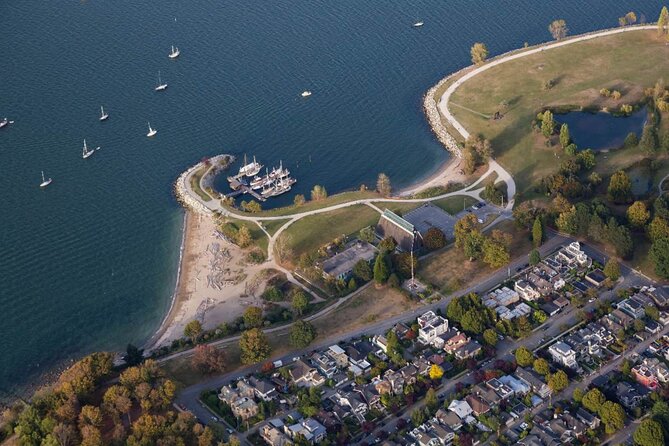
Reviewed · SELF-GUIDED TOURS
Explore Vancouver: Beaches & Downtown Audio Tour Bundle
Vancouver can be a lot at once. This self-guided audio drive gives you beaches, UBC, and downtown/Stanley Park in one loop, with stories that play based on where you are. I like that it’s good value per group (up to 4 in your car) and that you don’t have to mess with phone controls once it’s running.
One thing to consider: you’re responsible for navigation and timing. If you want a strict, stop-by-stop schedule, this is more flexible than guided, so you’ll need to keep an eye on your pace.
In This Review
- Key Highlights You’ll Feel Right Away
- A Shore-to-Downtown Loop You Control
- Price and What Makes It Feel Like a Deal
- How the Audio Tour Actually Works (So You Don’t Hit Snags)
- Sunset Beach: Sand, Calm Water, and Easy Family Energy
- Burrard Street Bridge: Vancouver’s Old Bridge With a Weird Secret
- Kitsilano Beach Park and the 137-Meter Heated Pool
- Jericho Beach Park and the Name Behind the Logger Past
- Locarno Beach: Quiet by Law (Yes, That’s a Thing)
- Spanish Banks Beach: Space, Students, and Wave Chasers
- UBC and the Nitobe Garden: Campus Stories With Specific Meaning
- UBC Botanical Garden and the Treewalk Finish
- Gastown Steam Clock: Steam-Powered Whistles and One of the Rare Ones
- Robson Square: Courthouse Energy and an Indoors-Rink Side Quest
- Stanley Park Totem Poles: First Nations Art With Deep Time
- Nine O’Clock Gun: A Daily Ritual and a Real Mystery
- Prospect Point Lookout: Ocean Views and a Squamish Legend
- Who This Self-Guided Driving Audio Tour Fits Best
- Should You Book This Vancouver Audio Bundle?
- FAQ
- How long does the Vancouver audio tour take?
- How much does it cost?
- Is this a guided tour with a person meeting me?
- Do I need cellular signal for the audio and maps?
- What if I don’t want to drive between every stop?
- Are attraction tickets included?
- What hours is the tour available?
Key Highlights You’ll Feel Right Away
- Offline-first audio and maps so you’re not stuck if cell service gets spotty
- Hands-free playback that starts automatically at each story point
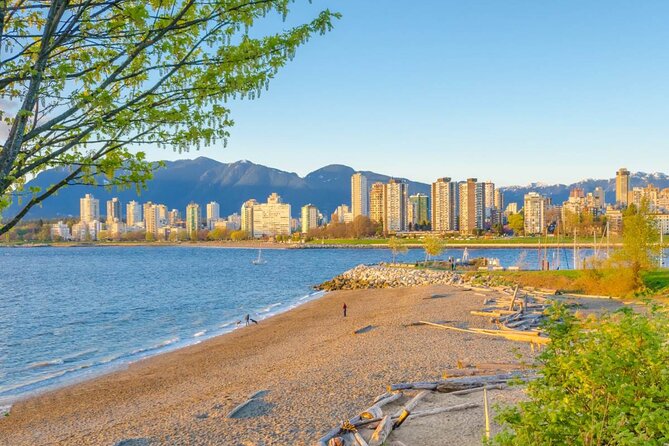
- A shore-to-city route that strings together calm beaches, campus sights, and classic downtown views
- Real local details in the narration, like bridge secrets, park rules, and legends tied to specific spots
- Family-friendly beach time with practical stops that include snack potential and wide-open space
- Lifetime access so you can reuse it on future Vancouver trips without re-buying
A Shore-to-Downtown Loop You Control
If you’ve ever tried to do Vancouver by memory alone, you already know the problem: the city sprawls. This audio tour fixes that by moving through a logical sequence—starting with beach calm, then sliding through Kitsilano/UBC, and finally ending among the classic downtown-and-park landmarks.
What I like most is the way the route mixes moods. You get soft sand and ocean views early, then you shift into neighborhoods and university territory, then you land in the big-ticket icon zone: Gastown’s famous clock, Robson Square, and Stanley Park’s totems and evening cannon ritual.
And because it’s self-guided, you’re not dragged along. You can linger at a view. You can skip something that isn’t your thing. The audio stays the same; your timing doesn’t have to.
Price and What Makes It Feel Like a Deal
At $14.99 per group (up to 4), the value mainly comes from the “per car” idea. If you’re traveling as a small family or with friends, the cost spreads out in a way that feels fair compared with per-person tours.
Also, you’re not buying entry tickets to a bunch of paid attractions. The tour is about the route and the stories—so you can spend your money on what you actually want once you’re out there (snacks, parking, or a seasonal swim if that’s your plan). The stops themselves are marked admission ticket free where applicable, which helps you keep the day light.
The practical tradeoff: you don’t get a human guide standing next to you. You do get a strong replacement—location-triggered audio—but you’re still the one driving, parking, and pacing.
Your pace, your detours
How the Audio Tour Actually Works (So You Don’t Hit Snags)
This is a self-guided tour/activity, meaning no one meets you at the start. You begin at the starting point, and the app starts the first story automatically. As you move, the next audio cues play on their own based on location.
Here’s the setup rhythm you should follow:
- After booking, you’ll get an email and text with setup instructions and a password (search for audio tour in your messages).
- You download the separate Action tour app using the password.
- You need to download while you have strong Wi‑Fi/cellular, because it’s designed to work offline afterward.
- Once onsite, you open the app and start the version that matches your planned starting point/direction.
Audio in the car is a nice option. The instructions mention connecting your phone to your car stereo via Bluetooth, USB, or AUX. For walking bits, headphones can help if you want clearer audio without raising the car volume.
If the audio acts weird, the guidance is simple: contact support rather than guessing. Also, stick to the tour route and speed limits for the best experience.
Sunset Beach: Sand, Calm Water, and Easy Family Energy
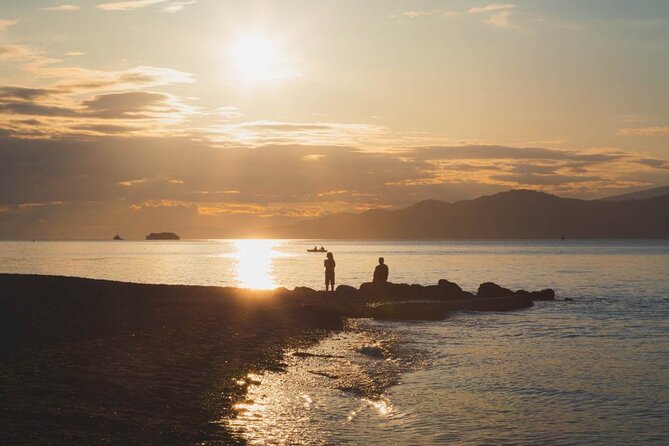
You’ll start at Sunset Beach, a sheltered strip of sand with calm water and concessions. There’s also a grassy field nearby, which sounds minor until you’re traveling with anyone who doesn’t want to play sand-sprinter in sandals right away.
This is a smart opening stop for two reasons:
- It sets the tone of the day—low-stress, ocean air, and space to stretch.
- It gives you a natural place to test your tour flow while you’re still fresh, parked, and figuring out the audio.
What to watch: concessions and comfort vary by season, but the big win here is flexibility. You can treat Sunset Beach as a quick reset or as a longer break before you head into the denser parts of the route.
Burrard Street Bridge: Vancouver’s Old Bridge With a Weird Secret
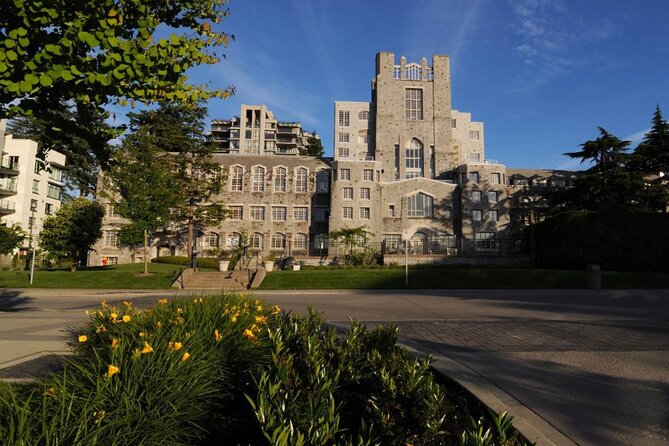
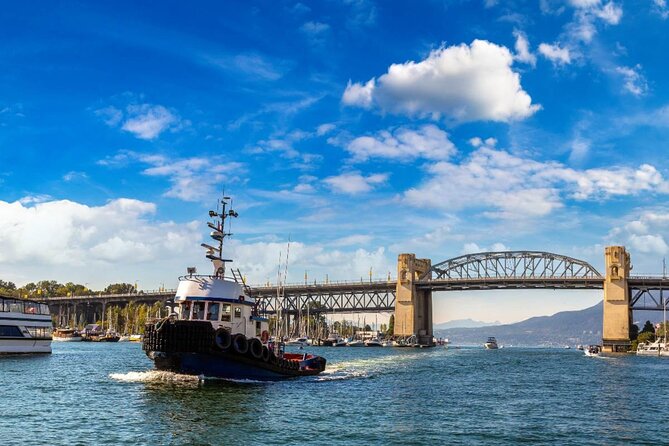
From the beach, the route turns onto Burrard Street Bridge, described as the oldest bridge in Vancouver. The audio adds texture by pointing out something unusual: the bridge’s outer beauty hides a story inside the structure.
The south tower contains a sealed stairwell that once connected the bridge to Vanier Park. It was sealed off nearly a century ago, and—according to the narration—no one really knows why.
This is exactly the kind of stop that makes an audio tour worth it. It’s not just “look at the bridge.” You’re looking at it differently after the story, because you understand the place as layered with past plans and locked doors.
A voice in your ear, hands in pockets

Kitsilano Beach Park and the 137-Meter Heated Pool
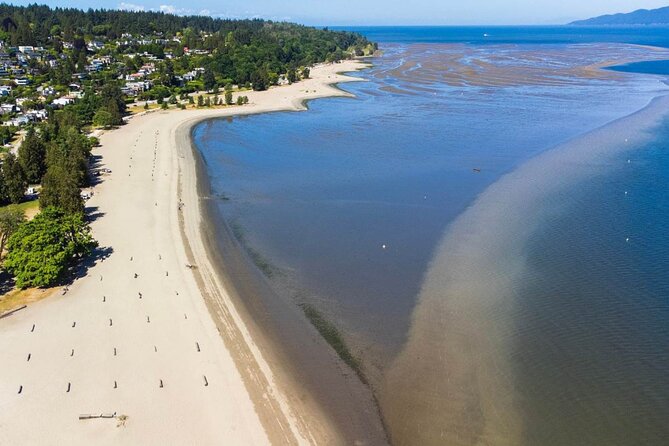
Next up is Kitsilano Beach Park, with the key visual payoff being ocean views toward English Bay. If you have time to stop, the highlight is the heated outdoor pool—saltwater, 137 meters, and open seasonally from May to September.
Even if you’re not swimming, it helps to know it’s there because it explains why this area feels both casual and “designed” for recreation. You’re not just passing a beach—you’re passing a sports-and-leisure setup that locals plan around.
If you visit outside May to September, you might not get pool time. But the coastline views should still make the stop feel worthwhile.
Jericho Beach Park and the Name Behind the Logger Past
As you pass Jericho Beach Park, the narration gives you a name to attach to the place: Jericho derives from Jeremiah Rogers, a 19th-century logger who worked in the area.
This matters because it keeps you from treating the coastline like a generic postcard. Vancouver’s beaches are tied to work, land use, and the people who shaped the region long before today’s neighborhood identities.
Jericho also fits well with a self-guided pace: you can treat it as a quick look if time is tight, or as a “slow down here” spot if the day is going well.
Locarno Beach: Quiet by Law (Yes, That’s a Thing)
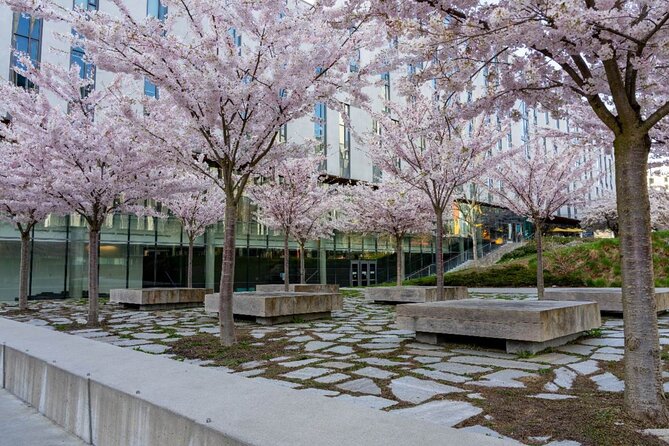
Then you roll toward Locarno Park and Locarno Beach, described as a peaceful getaway. Here the standout detail is a rule: the beach is quiet by law, and amplified sound isn’t permitted.
So if you’re imagining a beach with speakers and constant chatter, this won’t match that vibe. But if you like the sound of waves and people instead of DJ bass, this is a big plus.
Practical note: the guidance says you can park in upcoming lots if you want to visit, or keep driving if you don’t need a beach pause. That flexibility is one of the reasons audio driving tours work better than fixed walking routes.
Spanish Banks Beach: Space, Students, and Wave Chasers
Spanish Banks Beach Park is presented as the most spacious beach in the Vancouver area, with sandy banks stretching a mile along the far western edge of Vancouver.
The narration also links the beach to a specific crowd: because it’s close to UBC, you’ll often see students and other adventurous types looking for a break and, at times, good waves.
What I take from this: Spanish Banks is less about being “seen” and more about having room. If your group wants a calmer, wide-open shoreline instead of a crowded urban strip, this stop is a good bet.
UBC and the Nitobe Garden: Campus Stories With Specific Meaning
The route then heads toward the University of British Columbia, and the narration frames Vancouver’s story through the university’s relationship with First Nations people. That kind of context doesn’t turn a campus into a lecture. It gives you a lens.
After UBC, you’ll pass Nitobe Memorial Garden, where the narration gets very concrete about authenticity. It describes it as a traditional Japanese garden, and adds an attention-grabbing detail: in 2009, Japan’s 125th emperor Akihito reportedly said I am in Japan after strolling through the garden because of its authenticity.
That detail matters because it explains why the garden isn’t just pretty—it’s respected for how faithfully it reflects its design roots. If you like gardens with a story attached, Nitobe is a highlight.
UBC Botanical Garden and the Treewalk Finish
The tour concludes at UBC Botanical Garden & Centre for Plant Research. You’re told you can explore on your own, including the Treewalk if you want elevated viewpoints.
If you’re planning your timing, this is a place where your pace can change fast. Some people want a quick stroll. Others get interested in plant research spaces and take more time. Since the audio ends here (and you’re then backtracking toward the meeting point), use this stop as your last “slow down” moment.
Gastown Steam Clock: Steam-Powered Whistles and One of the Rare Ones
After the university area, the route swings into classic downtown. Gastown Steam Clock is one of those Vancouver landmarks you’ve probably heard about even if you’ve never visited.
The narration gives the mechanics: steam-powered whistles, and a small engine that uses steam to wind the clock. It’s also noted as one of only seven working steam clocks in the world.
This is a great stop for a quick photo, but I also like it as a “tone shift.” The city becomes more compact and kinetic here. You’re done with beaches and gardens, and now you’re in the area where Vancouver looks like the postcards.
Robson Square: Courthouse Energy and an Indoors-Rink Side Quest
Next is Robson Square, where the narration notes it houses some of the province’s important courts. It also mentions a covered skating rink.
That’s useful information for planning because you can’t always tell from the outside how seasonal or weather-proof a stop will be. If you’re visiting in colder months, a covered rink makes a downtown pause feel more useful than just walking past buildings.
Stanley Park Totem Poles: First Nations Art With Deep Time
Stanley Park is the iconic endgame, and the narration leads with the Totem Poles. It explains these towering works were inspired by carved poles created by First Nations communities for centuries. The audio emphasizes what they represent: ancestry, stories, and spiritual symbols—plus their modern meaning as a reminder of the people who first called this land home.
This is one of those stops where you don’t want to rush. Even if you only spend a little time there, I’d give it your full attention for a few minutes so you can actually read the meaning instead of treating the poles like decorations.
Nine O’Clock Gun: A Daily Ritual and a Real Mystery
Then you reach the Nine O’Clock Gun in Stanley Park, a historic cannon that still fires every evening at 9:00 PM.
The audio also includes a 1969 mystery: it was stolen and then returned only after a ransom donation was raised—pulled off by UBC engineering students.
Even if you’re not there at 9:00 PM, it’s still a fun stop because it turns a “look at the cannon” moment into a story about tradition and student mischief.
Prospect Point Lookout: Ocean Views and a Squamish Legend
To finish, you’ll go to Prospect Point Lookout, an easy short walk that rewards you with sweeping ocean views and views of the Lions Gate Bridge. The narration also ties the area to a Squamish legend: Shaunz and Siwash, said to have been turned to stone as a lasting example of perfect parents.
This is a strong closing stop because it wraps the day in two ways:
- visually, with big water-and-bridge views
- story-wise, with a legend that keeps the place human
After that, the tour ends back at the meeting point.
Who This Self-Guided Driving Audio Tour Fits Best
This works best if you’re the kind of traveler who likes control:
- families who want beach time without committing to a fixed guide schedule
- couples or friends who want a one-day Vancouver sampler across beaches, campus, and downtown icons
- budget-minded travelers who value per-car pricing over per-person guided tours
- anyone who likes background context while driving and stopping at their own pace
It’s less ideal if you want a strict itinerary where someone else handles timing, parking strategy, and route choices. This experience gives you freedom, but it expects you to be a little organized.
Should You Book This Vancouver Audio Bundle?
I’d book it if you want a smart, flexible way to see a lot of Vancouver in one go—without paying a guide fee for every hour. The mix of beaches + UBC + downtown/Stanley Park is exactly the kind of combo that’s hard to plan in one day from scratch, and the offline, location-triggered audio is the kind of feature that keeps you from constantly checking your phone.
Skip it if your trip style is mostly “arrive, walk, repeat” with little driving. This tour is built for a car loop. Also, if you can’t or won’t manage an app download ahead of time, you may run into offline issues—because that strong Wi‑Fi download step matters.
FAQ
How long does the Vancouver audio tour take?
Plan on about 2 to 3 hours. The route note also suggests around 1–2 hours to complete depending on how you move through the stops and your photo/snack breaks.
How much does it cost?
It costs $14.99 per group, up to 4 people. The idea is purchase per car/group, which helps value when you’re traveling together.
Is this a guided tour with a person meeting me?
No. It’s self-guided. You get directions and a start password after booking, and you begin at the first story point. There’s no one meeting you at the start.
Do I need cellular signal for the audio and maps?
No. The tour includes offline maps and works without cellular or Wi‑Fi after you download it.
What if I don’t want to drive between every stop?
You can park and explore on foot where you want, but the audio tour is designed to work along a driving route. You can also keep moving when a stop doesn’t interest you.
Are attraction tickets included?
No. The tour does not include attraction passes, entry tickets, or reservations. Some stops are marked as admission ticket free, but you should still treat paid attractions as not included.
What hours is the tour available?
The opening hours listed are 6:00 AM to 9:00 PM, Monday through Sunday.
Narrated Through Headphones
- Western Canada Self-Driving Audio Guide English and German★ 4.4 · 20 reviews
- Sea to Sky Highway Self-Guided Driving Audio Tour★ 4.5 · 7 reviews
- Vancouver to Whistler Private Self Guided Audio Tour★ 5.0 · 3 reviews
Vancouver at Your Own Speed
- Vancouver Bike or Ebike Rental – Self Guided Map provided★ 5.0 · 149 reviews
- Vancouver to Whistler Seaplane Day Trip: Self-Guided Adventure★ 5.0 · 53 reviews
- Western Canada Self-Driving Audio Guide English and German★ 4.4 · 20 reviews
- Vancouver: Self-Guided Smartphone Walking Tour of Gastown★ 4.0 · 15 reviews
The Wider Vancouver Shelf
- Vancouver Half-Day Whale Watching Adventure with Free Photos★ 5.0 · 5,000 reviews
- Big Bus Vancouver Hop-On Hop-Off Sightseeing Tour★ 3.5 · 3,028 reviews
- Victoria & Butchart Gardens Tour with Ferry from Vancouver★ 4.5 · 2,703 reviews
- Vancouver: Covered Whale Watching Adventure with Free Photos★ 4.8 · 2,260 reviews
Just Reviewed in Vancouver
- Private Transfer from Vancouver Airport to Cruise Terminal (Port)
★ 5.0 · 3 reviews - Private Chauffeured Airport to Whistler Transfer (YVR – Whistler)
★ 3.5 · 3 reviews - Experience the Beauty of Vancouver’s Forests by Bike/E-Bike
★ 5.0 · 3 reviews - Banff, Moraine Lake, Lake Louise and Columbia Icefield 4 Day Tour
★ 4.5 · 3 reviews - Arrival Transfer: Vancouver Airport YVR – Vancouver by Luxury SUV
★ 5.0 · 3 reviews - Vancouver Waterfront Guided Bike/E-Bike Tour
★ 5.0 · 3 reviews
Self-Guided Tours, compared.
 ★ 5.0Vancouver Bike or Ebike Rental – Self Guided Map providedFrom $41149 reviews
 ★ 5.0Vancouver to Whistler Seaplane Day Trip: Self-Guided AdventureFrom $37553 reviews
 ★ 4.4Western Canada Self-Driving Audio Guide English and GermanFrom $2920 reviews
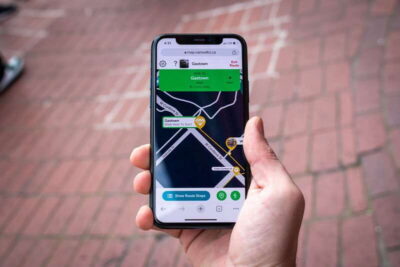 ★ 4.0Self-Guided Smartphone Walking Tour of GastownFrom $415 reviews
 ★ 4.1Stanley Park Self Guided Bike TourFrom $612 reviews
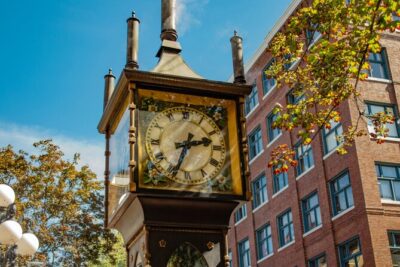 ★ 4.5Vancouver Old Town Treasure Hunt: Self-Guided Walking GameFrom $712 reviews
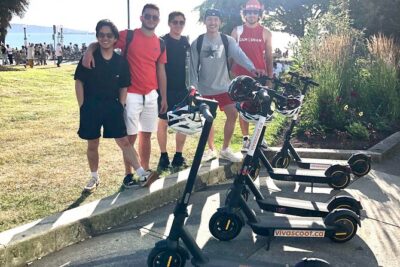 ★ 5.0Stanley Park Seawall E-scooter Rental with Self Guided mapFrom $448 reviews
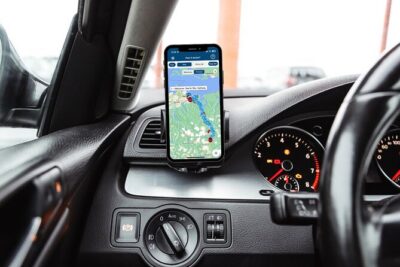 ★ 4.5Sea to Sky Highway Self-Guided Driving Audio TourFrom $167 reviews
Browse the lists this tour appears in