
Reviewed · WHALE WATCHING FROM VANCOUVER
Intimate West Coast Whale Watching – Partly-Sheltered
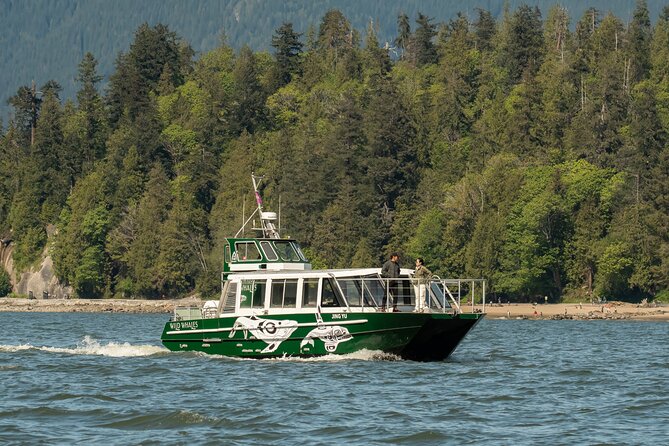
This is a close-up way to meet West Coast whales. A small group, a partly-sheltered outing, and on-water guidance that helps you stay on the move make the experience feel focused instead of random.
I love how the captain and crew work hard to find active pods, including using communication with other local whale boats to reach new locations. I also love the in-trip explanations from the wildlife team, where you learn what you’re seeing and why it’s happening, including behavior like fin slapping and breaching.
One thing to factor in: whale sightings depend on good weather and where the animals are that day, so it can take a little time to land the best action before you see multiple pods.
In This Review
- Key Highlights You’ll Actually Notice
- A Small-Boat Whale Hunt from Granville Island
- Meeting Point, Timing, and the Pre-Trip Market Break
- The 3–5 Hour “Partly-Sheltered” Ride: What to Expect On Water
- The Whales You’re Most Likely to See (and the Signs to Watch)
- How the Wildlife Crew Makes the Trip Feel Personal
- The Granville Island Add-On That Actually Helps
- Price and Value: Is $169.34 Worth It?
- Who This Tour Fits Best (and Who Might Prefer Something Else)
- Should You Book Wild Whales Vancouver?
- FAQ
- How long is the whale watching trip?
- Where do I meet, and where does the tour end?
- What’s included on board?
- How big is the group?
- What language is the tour offered in?
- Do I need to bring a ticket?
- What happens if the weather is poor?
Key Highlights You’ll Actually Notice
- Small group size (max 32) keeps things calmer and helps the crew manage whale-location updates.
- Captain coordination with other local whale boats can mean you get to chase more than one pod.
- On-board wildlife talk connects the dots on whale behavior and migration patterns.
- Granville Island time to snack before you head out, with a convenient nearby public market stop.
- Restroom on board for a smoother 3–5 hour outing.
- Partly-sheltered setup helps the ride feel more tolerable when conditions aren’t perfect.
A Small-Boat Whale Hunt from Granville Island
If you’re picturing a huge tour boat where you mostly stand and guess, this is a different vibe. The outing runs with a maximum of 32 people, which usually means you’ll spend less time squeezed and more time watching what matters. The partly-sheltered design also helps make the time on the water feel manageable when the breeze picks up.
What I like most is the way the day is treated like a moving puzzle. Instead of one fixed plan, you’re guided toward where whales are likely to be, and then you’re kept updated as the search shifts.
Meeting Point, Timing, and the Pre-Trip Market Break
You start at 1806 Mast Tower Ln, Vancouver, BC V6H 4B6 and you come back to the same spot when you’re done. That round-trip convenience helps, because you can plan your day around a clear start and finish instead of worrying about transportation at the end.
Before boarding, you get a short window at the Granville Island Public Market area—about 30 minutes. The market is a great place to grab a snack or drink before you head out, especially if you don’t want to think about food once you’re at the dock. Since the market time includes free admission, you’re not spending extra just to have that option.
One practical note: bring what you need for the water part of the day. You’ll have a restroom on board, which is a real quality-of-life win, but you should still think about comfort (layers, sun protection, and a bottle you can refill).
Orcas do not keep schedules. More sailings that find them
The 3–5 Hour “Partly-Sheltered” Ride: What to Expect On Water
This is listed as approximately 3 to 5 hours, so plan your day like a proper outing, not a quick stop. The upside of the time range is that it gives the crew room to adjust based on where whales are that day. In other words, the schedule can be about observation and position changes, not just a timed cruise.
The title promises a partly-sheltered experience, and that matters in Vancouver. Even when the sky is nice, conditions can shift quickly, and you’ll be happier if the boat setup is designed to reduce the worst of the wind exposure.
You’ll likely feel the day’s pace in the moments you’re told where to look next. In reviews, people highlight that the crew stays in contact with other local whale-watching boats when whales move or surface in different spots. That’s how the trip turns from seeing one moment into getting a fuller run of whale behavior.
The Whales You’re Most Likely to See (and the Signs to Watch)
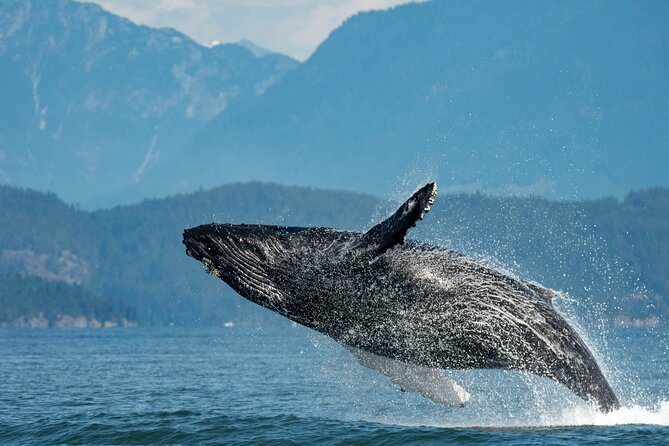
Humpback whales are a major theme here. Many people describe seeing multiple pods of humpbacks, with action like flipper slaps and breaches. That’s not just impressive—it’s useful, because it gives you visual clues to what whales are doing beyond simply being “in the area.”
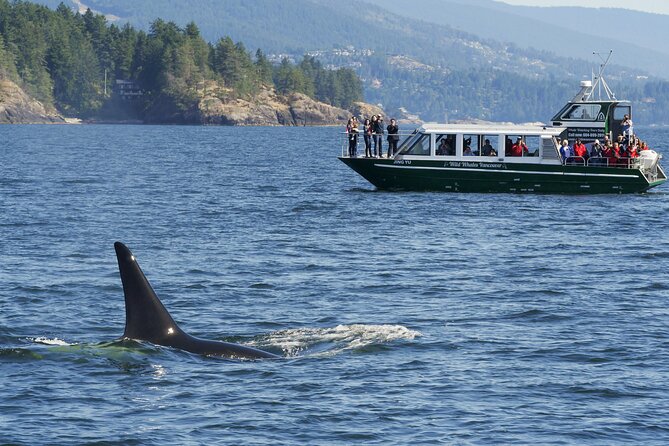
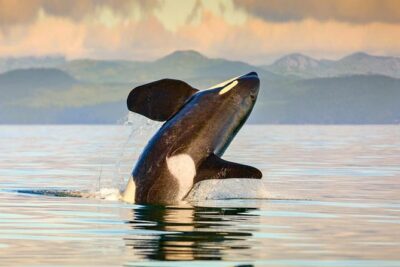
Another highlight in the reviews is the possibility of orcas. On at least some outings, the captain takes the group farther so you can also spot an orca pod. You can think of it like upgrading your odds: you’re not only hunting for humpbacks, you’re also positioned to respond if orcas are nearby and active.
If you’re wondering what makes a good sighting, it’s usually not just distance. It’s timing. That’s why communication and repositioning matter. The crew works to put you where activity is, which is exactly what people praise when they say the boat stayed connected with other wildlife teams to locate whales.
How the Wildlife Crew Makes the Trip Feel Personal
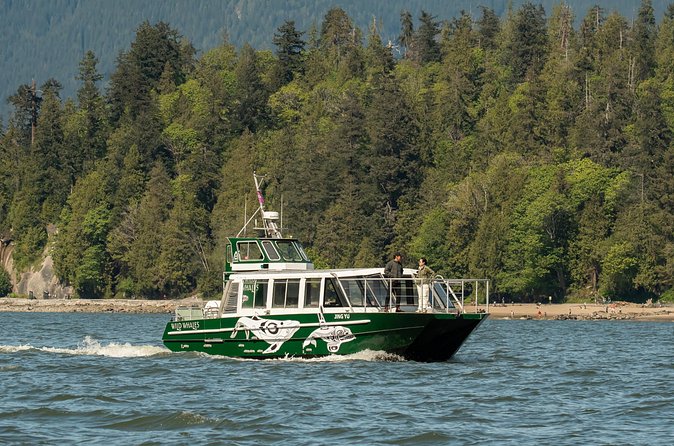
A big part of why this tour rates so high is the way the wildlife team turns sightings into understanding. Reviews specifically call out guides named Jasmine, Kevin, Julia, Britt, and Nicole, each credited with helping people see more and interpret what was happening on the water.
Even if you don’t get the same guide from the reviews, the pattern is consistent: you should expect clear explanations about whale behavior and migration patterns. That’s valuable because it changes how you watch. Instead of only looking for a spout, you start noticing what the whale is doing—surface behavior, movement patterns, and the moments that often lead to more dramatic action like breaching.
There’s also something practical here: better interpretation usually means you recognize the good moments faster. It’s the difference between seeing movement in the distance and knowing it’s worth focusing on right now.


The Granville Island Add-On That Actually Helps
The market stop is short by design, but it works. You get about 30 minutes near the Granville Island Public Market, and it’s framed as a place to pick up a snack before your whale watching window. That helps a lot if you’re hungry or if you want to avoid paying premium prices once you’re already on the water.
It also helps set expectations. Whale tours can run on a “watch, wait, adjust” rhythm, and food is one of the easiest things to handle before you leave shore. If you show up with a plan for snacks and water, you’ll enjoy the trip more when you’re focused on the horizon.
Price and Value: Is $169.34 Worth It?
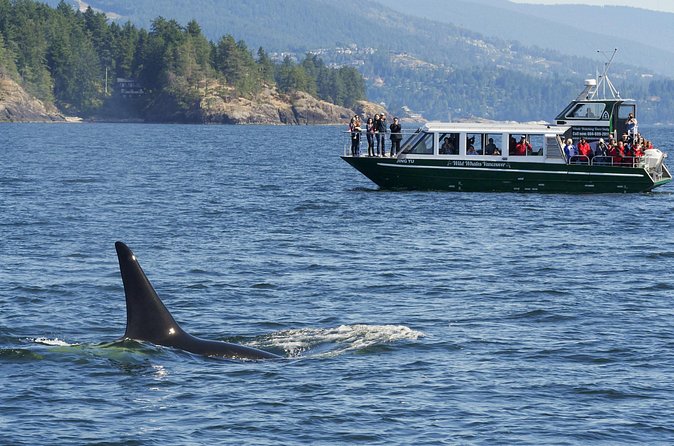
At $169.34 per person, you should evaluate value based on what you get beyond the ticket itself. Here, the value is driven by three things:
- An intimate group size (max 32), which often means better vessel management and a more watch-friendly atmosphere.
- Active search tactics, including crew communication with other whale boats so you’re not stuck in one spot.
- Expert on-board interpretation, where you learn what you’re seeing rather than treating it like a silent wildlife hunt.
If your goal is to simply be “on a boat,” you might find cheaper options. But if you care about maximizing the odds of meaningful whale behavior—breaches, flipper slaps, and the chance of multiple pods—this format is built for that.
Also, the tour is commonly booked ahead. On average, it’s booked 27 days in advance, which is a useful clue that prime dates tend to go quickly. If you’re traveling in peak season or aiming for a specific day, it’s smart to book early and avoid last-minute guesswork.
Who This Tour Fits Best (and Who Might Prefer Something Else)
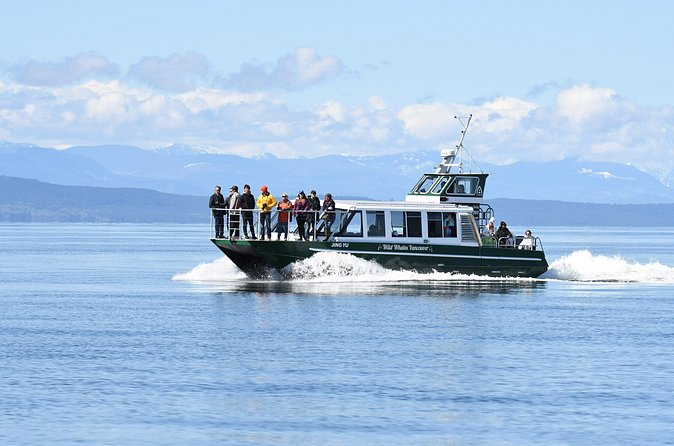
This is a strong match if you want:
- A calmer group size rather than a large crowd situation.
- Guided viewing with both a captain focused on locating whales and wildlife talk that explains behavior.
- A real chance at multiple pods, since the crew works to get you to where action is.
You might want to think twice if your schedule is extremely tight. The experience is 3–5 hours, and whale sightings depend on good weather and where animals are that day. If a long outing would stress you out, pick dates with buffer time.
Should You Book Wild Whales Vancouver?
If you care about seeing more than one quiet sighting—if you want the trip to feel guided, responsive, and heavy on whale behavior—this one earns its reputation. A 4.8 rating from 18 reviews and 94% recommendation are meaningful signals, especially when the praise clusters around the captain’s wildlife-focused communication and the wildlife expert explanations.
My advice: book it if you’re the type who enjoys watching closely and learning as you go. It’s also a good choice if you’re visiting Vancouver and want one standout West Coast nature experience that’s still manageable in length.
If you’re unsure, don’t overthink it. The biggest variables are weather and animal movement, and the operator builds flexibility into how they search. With that approach, you’re positioned for a day that can turn into a real highlight, not just a “we were out there” story.
FAQ
How long is the whale watching trip?
It runs for about 3 to 5 hours.
Where do I meet, and where does the tour end?
You meet at 1806 Mast Tower Ln, Vancouver, BC V6H 4B6, Canada, and the activity ends back at the same meeting point.
What’s included on board?
The tour includes a restroom on board. The crew can provide extra sunscreen and water if necessary, and they encourage you to bring your own reusable water bottle.
How big is the group?
The tour has a maximum of 32 travelers, which helps keep the outing more intimate.
What language is the tour offered in?
It’s offered in English.
Do I need to bring a ticket?
You’ll receive a mobile ticket.
What happens if the weather is poor?
The experience requires good weather. If it’s canceled due to poor weather, you’ll be offered a different date or a full refund.
The Wider Vancouver Shelf
- Vancouver Half-Day Whale Watching Adventure with Free Photos★ 5.0 · 5,000 reviews
- Big Bus Vancouver Hop-On Hop-Off Sightseeing Tour★ 3.5 · 3,028 reviews
- Victoria & Butchart Gardens Tour with Ferry from Vancouver★ 4.5 · 2,703 reviews
- Vancouver: Covered Whale Watching Adventure with Free Photos★ 4.8 · 2,260 reviews
Back Out for the Orcas
- Vancouver Half-Day Whale Watching Adventure with Free Photos★ 5.0 · 5,000 reviews
- Vancouver: Covered Whale Watching Adventure with Free Photos★ 4.8 · 2,260 reviews
- Whale-Watching Tour from Vancouver★ 4.5 · 1,572 reviews
- Vancouver’s Intimate West Coast Whale Watching Experience★ 4.5 · 698 reviews
Just Reviewed in Vancouver
- Private Transfer from Vancouver Airport to Cruise Terminal (Port)
★ 5.0 · 3 reviews - Private Chauffeured Airport to Whistler Transfer (YVR – Whistler)
★ 3.5 · 3 reviews - Experience the Beauty of Vancouver’s Forests by Bike/E-Bike
★ 5.0 · 3 reviews - Banff, Moraine Lake, Lake Louise and Columbia Icefield 4 Day Tour
★ 4.5 · 3 reviews - Arrival Transfer: Vancouver Airport YVR – Vancouver by Luxury SUV
★ 5.0 · 3 reviews - Vancouver Waterfront Guided Bike/E-Bike Tour
★ 5.0 · 3 reviews
Whale Watching from Vancouver, compared.
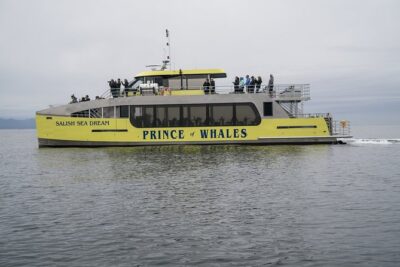 ★ 5.0Vancouver Half-Day Whale Watching Adventure with Free PhotosFrom $1935,000 reviews
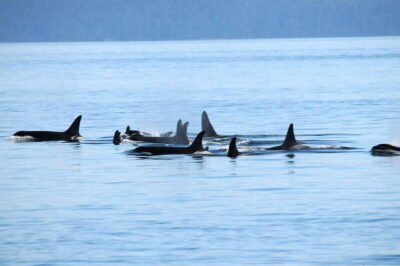 ★ 4.8Covered Whale Watching Adventure with Free PhotosFrom $1882,260 reviews
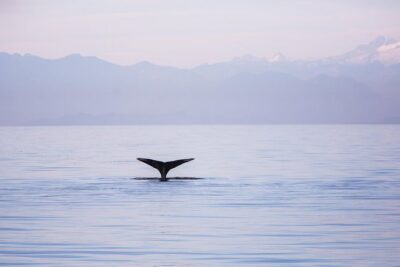 ★ 4.5Whale-Watching Tour from VancouverFrom $1571,572 reviews
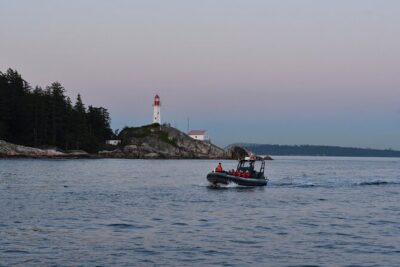 ★ 4.5Vancouver’s Intimate West Coast Whale Watching ExperienceFrom $177698 reviews
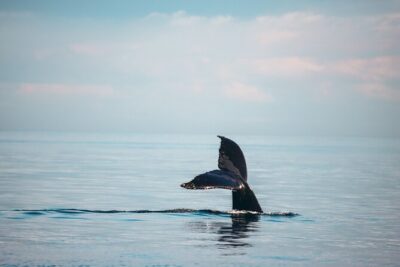 ★ 5.0Vancouver Sunset Whale Watching Adventure with Free PhotosFrom $193454 reviews
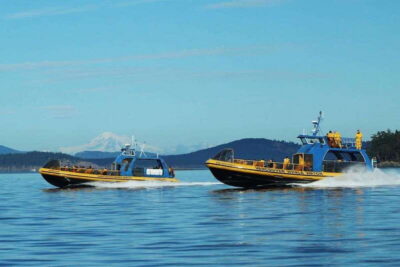 ★ 4.7Vancouver, BC: Whale Watching Tour with GuideFrom $152270 reviews
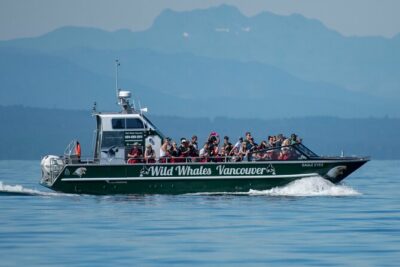 ★ 5.0Wild Whale Watching Experience – Open Air VesselFrom $169158 reviews
 ★ 4.5Victoria Day Trip by Seaplane + Whale Watching by BoatFrom $546142 reviews
Browse the lists this tour appears in