
Reviewed · WHALE WATCHING FROM VANCOUVER
Vancouver’s Intimate West Coast Whale Watching Experience
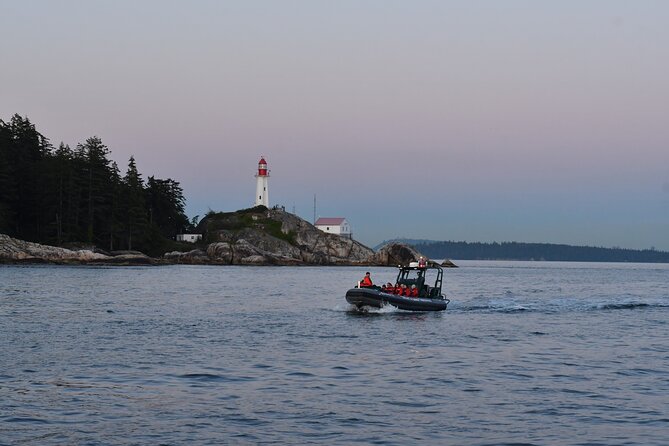
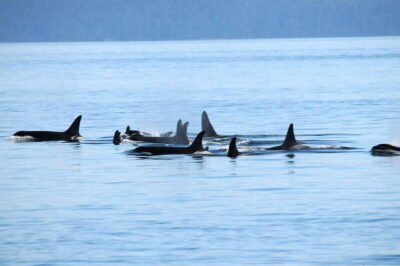
Orcas in Vancouver are the real deal. This intimate small-group whale watch runs out of Granville Island, then searches the Salish Sea and Strait of Georgia for orcas and other marine life. The day is flexible, so your time on the water adapts to what the whales are doing.
I especially like the fact that you’re traveling with a guide who has a marine biology background, so you’re not just staring at spouts. You get clear explanations tied to what you’re seeing, and it’s the kind of tour where questions don’t feel like an interruption. I also like the maximum 12 travelers setup, which keeps the vibe focused and makes it easier to hear the guide and spot wildlife from your seating area.
One big consideration: the ocean is unpredictable, and sightings depend on whale location. When seas get rough or weather turns, it can mean bumpy rides and wet clothes, and there’s never a hard guarantee that whales will show up on your exact outing.
In This Review
- Key things to know before you go
- Granville Island launch: why this starting point makes the day easier
- What the marine biology guide actually changes for your viewing
- The route along Vancouver’s waterfront: where the stops help and where they don’t
- Granville Island (start): getting ready and getting set up
- Stanley Park (pass): open-water eyes for sea birds
- English Bay Beach (pass): a familiar shoreline feel
- False Creek (pass): water conditions can feel different
- Downtown (pass): city views from sea level
- Returning to Granville Island Public Market and Kids Market (finish): lunch and browsing time
- Flexible timing: what 3 to 5 hours really means on the water
- Orcas, humpbacks, and the rest: what you can realistically hope to see
- On-board comfort: water, sunscreen, toilets, and why the back gets wet
- Price and value: is $177.59 worth it for a half-day at sea?
- Who should book this whale watch (and who should think twice)
- Should you book Wild Whales Vancouver?
- FAQ
- How long is the Vancouver whale watching tour?
- Where do I meet for the tour?
- What wildlife can I see on this tour?
- Is lunch included in the price?
- What’s included on board?
- What should I bring or prepare for?
- Is there a height or medical restriction?
- What happens if whales are not found?
Key things to know before you go
- Marine biologist style guiding: explanations focus on behavior, not just species names
- Small-group cap (12 travelers max): better viewing and more time for questions
- 3 to 5 hours at sea, whale-dependent: the clock changes with wildlife sightings
- On-board basics included: toilet on all vessels, plus bottled water and sunscreen
- You return right to Granville Island: easy add-on time at the Public Market after the tour
- No-whale backup plan: if no whales are found, your next trip is free (voucher rules apply)
Granville Island launch: why this starting point makes the day easier
Your tour starts at 1806 Mast Tower Ln, right at Granville Island, and you’ll want to arrive about 45 minutes early. That early buffer matters on water tours because you’ll be sorting gear, getting oriented, and settling in before the boat heads out.
Granville Island is a smart choice for a whale watch because it keeps things practical. After you’re done, you’re not stuck hunting for a meal somewhere far away. You can head straight into the Granville Island Public Market area, grab food there (lunch isn’t included), and even browse the shops without rushing.
And because this is a nature-focused trip, you’ll feel the day start to “click” as soon as you’re aboard. You’re moving from city to coast in a short step, with the guide narrating along the way so you understand what you’re looking at, not just where you’re headed.
What the marine biology guide actually changes for your viewing
A whale watch can be either passive or educational. This one leans educational—because you’re guided by someone with marine biology background, and the talk stays connected to sightings as they happen.
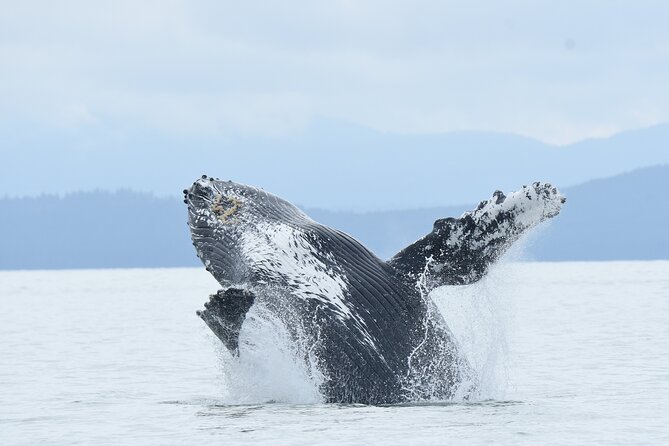
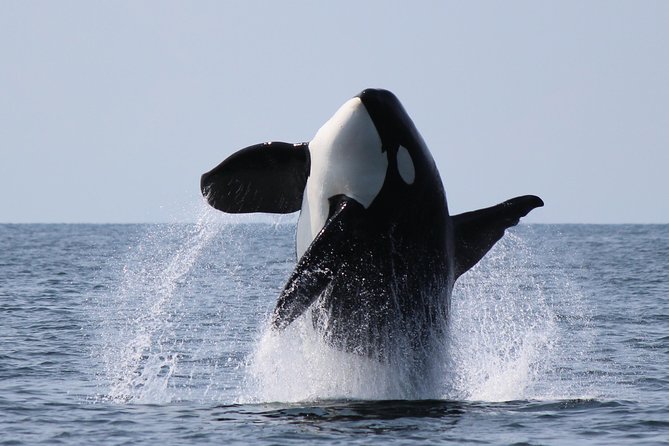
You’ll be searching for orcas and humpback whales, plus other wildlife like seals, sea lions, and sea birds. What I like about that approach is that it trains your eyes. Instead of only scanning for big blows, you’re also watching for patterns: where birds are circling, what smaller marine life might be signaling, and how guides interpret whale behavior.
The guide team also seems to bring real personality to the explanations. Names you may hear include Julia, Yaz, Hannah, and Sarah as nature guides, with captains such as Rodrigo and Chris showing up in recent trip reports. The point isn’t who you get—it’s that the crew’s job is to make your sightings make sense in real time.
If you’re into photography or just want better odds of spotting wildlife, this kind of guiding is a big deal. It turns your “maybe we see something” into a structured effort, with frequent adjustments based on what the sea is showing you.
Orcas do not keep schedules. More sailings that find them
The route along Vancouver’s waterfront: where the stops help and where they don’t
This tour’s on-water route includes passes by several classic Vancouver areas, including Stanley Park, English Bay Beach, False Creek, and Downtown, before returning to Granville Island.
Here’s how that helps you day-to-day:
Granville Island (start): getting ready and getting set up
This is where you meet, board, and get the day’s basics before you’re out on the water. If you’re traveling in colder months, expect the boat ride itself to be the part that challenges you most. Some recent outings mention orange full-body suits or body suits when the wind and spray chill sets in.
Stanley Park (pass): open-water eyes for sea birds
Stanley Park is a strong visual anchor as you head along the coast. Even when whale sightings aren’t immediate, this part of the trip helps you stay oriented. It also gives you time to scan for sea birds, which are often easier to spot than whales when you’re still searching.


English Bay Beach (pass): a familiar shoreline feel
English Bay Beach is the kind of stop that keeps the day grounded. You get a coastal vibe with beach and city energy around you. It’s also a good reminder to stay alert for wildlife that might pop up near shorelines, especially seals and sea lions, which you can sometimes spot even between whale locations.
False Creek (pass): water conditions can feel different
False Creek has a more enclosed feel compared with open stretches, so it can be a nice mental break in the search. You’ll still be looking out, but it can help break up the “long scanning” mindset and give you a breather while you watch for movement on the surface.
Downtown (pass): city views from sea level
Watching Downtown from the water changes the scale fast. This isn’t just pretty scenery. It also helps you track where you are relative to the route, which can make you feel calmer when the day shifts due to weather or whale location.
Returning to Granville Island Public Market and Kids Market (finish): lunch and browsing time
Once you’re back, you’re positioned right at Granville Island again. Public Market food is available just outside the meeting area, and there’s time to browse the stalls. The Kids Market makes the return feel like less of an abrupt stop, which is handy if you’re bringing children.
Flexible timing: what 3 to 5 hours really means on the water
The tour duration isn’t fixed at a single number. It’s typically 3 to 5 hours depending on where whales are. That flexibility is a feature, not a gimmick.
In real terms, it means your guide is prioritizing whale presence over a strict schedule. Some days you’ll get quick sightings and more time to watch behavior. Other days the search takes longer, and the crew keeps moving until conditions line up with what they’re looking for.
This is also why you’ll meet early. You want to start with enough margin so the “whale-dependent clock” doesn’t feel rushed. And once whales are located, you usually slow down and focus hard—because that’s when behavior matters most.
It’s worth knowing there’s a real consequence to flexibility: if sea conditions are poor, tours can be cancelled. If weather forces the change, you should be ready to reschedule, or you’ll receive a different date or a full refund.
Orcas, humpbacks, and the rest: what you can realistically hope to see
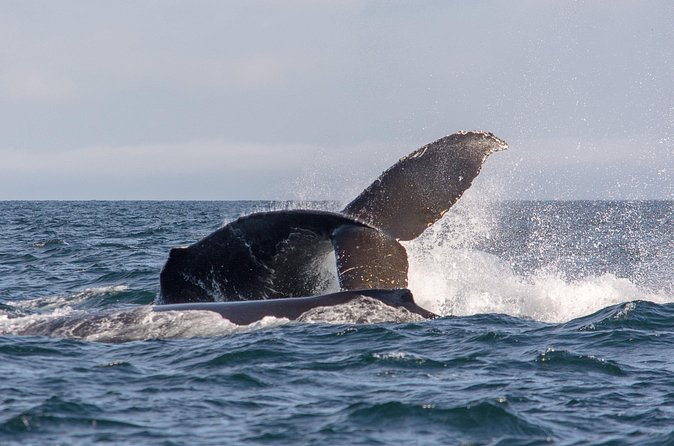
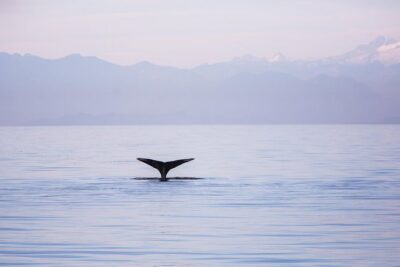
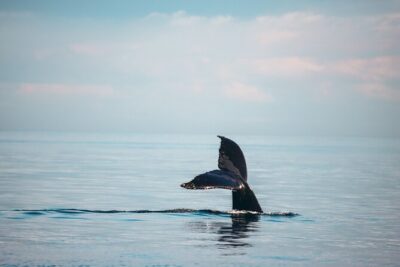
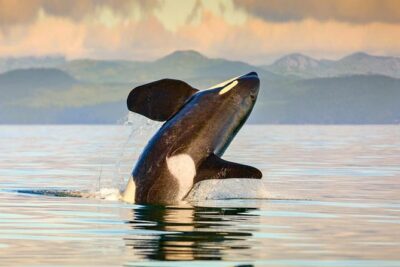
The main targets are orcas and humpback whales. After that, the tour is built around other local marine life: seals, sea lions, and sea birds.
Based on what’s shown in recent trips, you might also spot:
- porpoises and dolphins
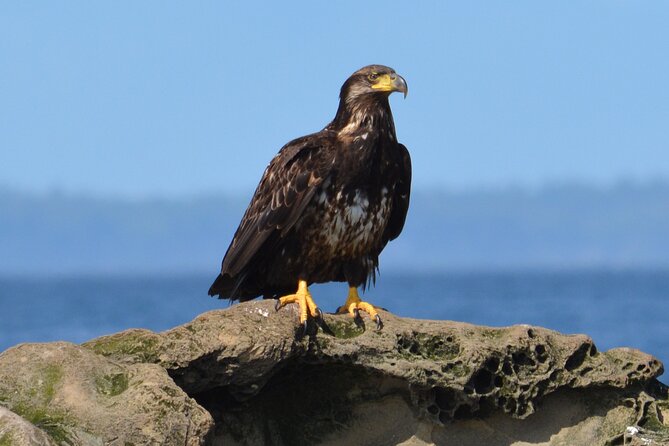
- bald eagles
- sea otters
- and even smaller shoreline life like starfish and crabs
Don’t treat any of that as guaranteed. Wild viewing is still wild. But the mix is a good sign: even if the whales aren’t perfect, the day doesn’t collapse into a disappointment movie.
Also, remember that viewing rules keep you at a distance for whale welfare. One review noted that maintained distance can make whales harder to see, which is exactly why you should prepare to look with help.
Bring binoculars if you have them. They genuinely help with the view, especially when whales are farther out than you’d expect.
On-board comfort: water, sunscreen, toilets, and why the back gets wet
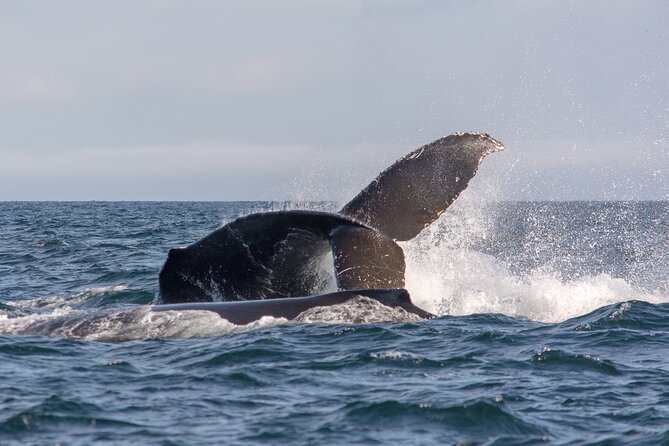
This is one of those tours where small practical details make the difference between a good day and a miserable one.
On-board, you get:
- bottled water available (reusable bottles are encouraged)
- sunscreen
- toilets on all vessels
That’s a solid foundation for a 3 to 5 hour outing, especially because weather on the water can change fast.
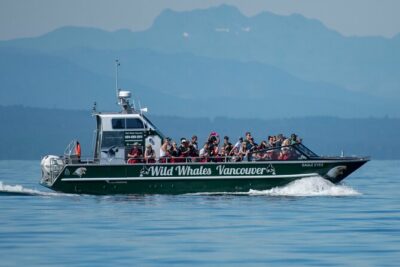
Now for the less glamorous part: expect wind, spray, and bumps. One review specifically warned that if you sit in the back, you’ll get very wet. Another mentioned a bumpy, rolling zodiac ride but said it was worth it. So choose your seating with that in mind if your body or comfort level is sensitive.
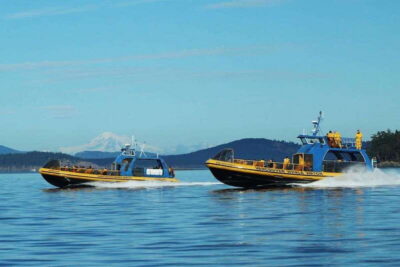
Also, some trips are described as zodiac-style and others as covered or open-air. If you hate feeling exposed to wind, ask what kind of vessel you’ll be on for your departure day when you’re booking.
For viewing, the crew can’t control distance restrictions, sea state, or whale behavior. But they can control how hard they search—and the guides clearly focus on trying to put you where the action is.
Price and value: is $177.59 worth it for a half-day at sea?
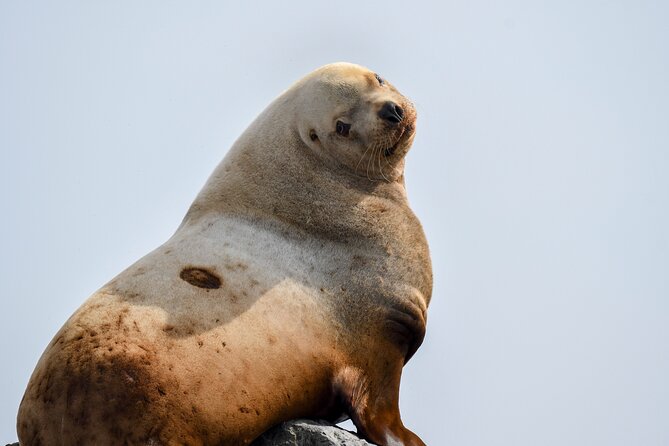
At $177.59 per person for roughly 5 hours (and more realistically 3 to 5 hours on the water), this isn’t a budget activity. You pay for three things:
1) Time and access. You’re not watching from a harbor viewpoint. You’re going out into the Salish Sea/Strait of Georgia with a crew looking specifically for whales.
2) Expert interpretation. The marine-biology guide turns whale sightings into a story you can follow, with context for orcas, humpbacks, seals, and sea birds.
3) Small-group attention. With a max of 12 travelers, you’re less likely to feel lost in a crowd and more likely to get answers when you ask questions.
What you don’t get: lunch, plus no hotel pickup and drop-off. Lunch is easy because you can buy food at the Granville Island Public Market right by the meeting area after you return. If you’re staying downtown, meeting at Granville Island also keeps the logistics simpler than tours that start far outside the core.
The “value” layer that really helps your odds is the backup plan: if no whales are found, your next trip is free. It’s a non-transferable voucher with no expiration date. That doesn’t erase the fact that wildlife is unpredictable, but it does make the risk feel more fair.
Who should book this whale watch (and who should think twice)
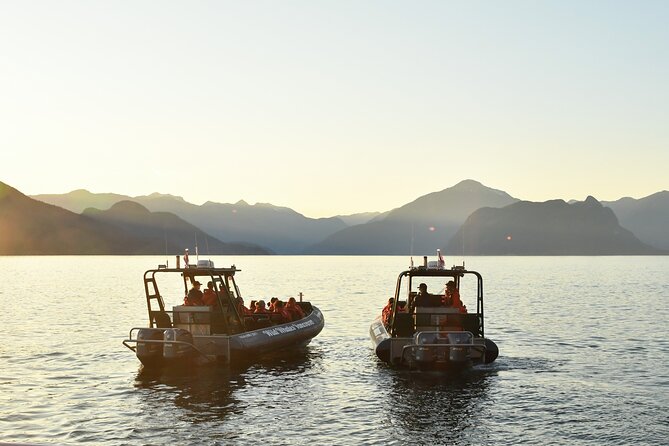
This tour is best for:
- nature and wildlife enthusiasts who want to understand what they’re seeing
- people who like asking questions and getting clear answers
- couples, solo travelers, and families who value a small-group outing
Kids are welcome, but children must be accompanied by an adult. There’s also a height restriction of 5 ft / 152 cm. If your group includes a younger child, double-check that requirement before you commit.
Think twice if:
- you have back or neck problems (it’s not recommended)
- you know you struggle with rough, wet, windy conditions on small boats
If you’re comfortable with being outside and flexible with timing, you’ll likely enjoy the full experience, including the ride along Vancouver’s waterfront and the post-tour market time.
Should you book Wild Whales Vancouver?
If your goal is a focused, small-group whale watch with real marine education, I’d book this. The biggest strengths are the marine-biology guidance, the chance to see orcas and humpbacks, and the way the day stays flexible for whale locations.
Book it if you want more than a checklist of species and you’re okay with the ocean running the schedule. Skip it if you need a guaranteed whale sighting or you’re not comfortable with spray and rougher water.
If you’re visiting Vancouver and want one memorable “out on the Salish Sea” experience, this is a strong choice.
FAQ
How long is the Vancouver whale watching tour?
It typically runs about 3 to 5 hours, with the exact length depending on where whales are found.
Where do I meet for the tour?
You meet at 1806 Mast Tower Ln, Vancouver, BC V6H 4B6, Canada. The tour ends back at the meeting point.
What wildlife can I see on this tour?
The tour focuses on orcas and humpback whales, and you can also see seals, sea lions, and sea birds. Other marine life sightings may happen depending on conditions.
Is lunch included in the price?
No. Lunch isn’t included, but you can purchase food at the Granville Island Public Market near the meeting area.
What’s included on board?
Included features are a professional guide with marine biology background, toilet access on all vessels, bottled water availability (reusable bottles encouraged), and sunscreen.
What should I bring or prepare for?
Bring a plan for time on the water: you’ll be out searching for whales and the conditions can be rough. Binoculars can help, and you should have your own reusable bottle since water is available on board.
Is there a height or medical restriction?
Yes. There’s a height restriction of 5 ft / 152 cm. The tour is also not recommended for participants with back or neck problems.
What happens if whales are not found?
If no whales are found, your next trip is free. The voucher is non-transferable and has no expiration date.
The Wider Vancouver Shelf
- Vancouver Half-Day Whale Watching Adventure with Free Photos★ 5.0 · 5,000 reviews
- Big Bus Vancouver Hop-On Hop-Off Sightseeing Tour★ 3.5 · 3,028 reviews
- Victoria & Butchart Gardens Tour with Ferry from Vancouver★ 4.5 · 2,703 reviews
- Vancouver: Covered Whale Watching Adventure with Free Photos★ 4.8 · 2,260 reviews
Back Out for the Orcas
- Vancouver Half-Day Whale Watching Adventure with Free Photos★ 5.0 · 5,000 reviews
- Vancouver: Covered Whale Watching Adventure with Free Photos★ 4.8 · 2,260 reviews
- Whale-Watching Tour from Vancouver★ 4.5 · 1,572 reviews
- Vancouver Sunset Whale Watching Adventure with Free Photos★ 5.0 · 454 reviews
Just Reviewed in Vancouver
- Private Transfer from Vancouver Airport to Cruise Terminal (Port)
★ 5.0 · 3 reviews - Private Chauffeured Airport to Whistler Transfer (YVR – Whistler)
★ 3.5 · 3 reviews - Experience the Beauty of Vancouver’s Forests by Bike/E-Bike
★ 5.0 · 3 reviews - Banff, Moraine Lake, Lake Louise and Columbia Icefield 4 Day Tour
★ 4.5 · 3 reviews - Arrival Transfer: Vancouver Airport YVR – Vancouver by Luxury SUV
★ 5.0 · 3 reviews - Vancouver Waterfront Guided Bike/E-Bike Tour
★ 5.0 · 3 reviews
Whale Watching from Vancouver, compared.
 ★ 5.0Vancouver Half-Day Whale Watching Adventure with Free PhotosFrom $1935,000 reviews
 ★ 4.8Covered Whale Watching Adventure with Free PhotosFrom $1882,260 reviews
 ★ 4.5Whale-Watching Tour from VancouverFrom $1571,572 reviews
 ★ 5.0Vancouver Sunset Whale Watching Adventure with Free PhotosFrom $193454 reviews
 ★ 4.7Vancouver, BC: Whale Watching Tour with GuideFrom $152270 reviews
 ★ 5.0Wild Whale Watching Experience – Open Air VesselFrom $169158 reviews
 ★ 4.5Victoria Day Trip by Seaplane + Whale Watching by BoatFrom $546142 reviews
 ★ 4.5Day Trip to Victoria Seaplane with Whale WatchingFrom $520109 reviews
Browse the lists this tour appears in