
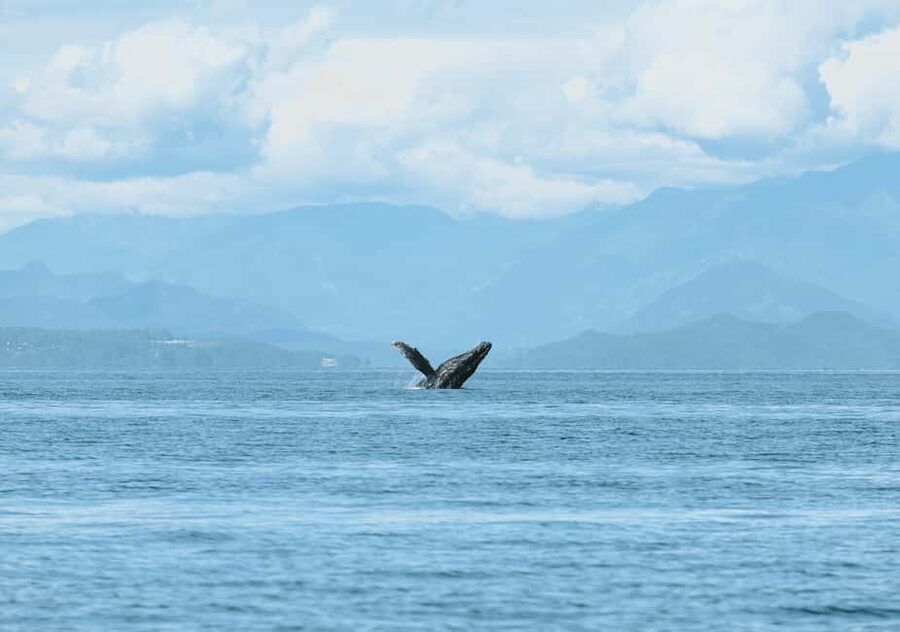
Reviewed · GRANVILLE ISLAND VISITS & FOOD WALKS
Vancouver: Open-air Whale Watching Tour, Granville Island
Whales, right off Granville Island. This tour feels special because it mixes open-air 360° visibility with expert marine naturalist guidance, so you’re not just hoping for sightings—you’re learning what you’re looking at as you scan the water. I especially like that the deck is walk-around friendly, which makes photographing and spotting behavior easier than the usual “sit and stare” setup. The one thing to keep in mind is the experience length varies (you’re looking at about 3–5 hours depending on weather and where the animals are), and the vessel isn’t a fit for everyone, including people who are pregnant or children under 3.
If you’re visiting Vancouver and want wildlife that feels genuinely wild, the Salish Sea is a smart place to focus your time. Expect orcas, humpbacks, dolphins, sea lions, harbor seals, and seabirds to be in the mix, with the chance to learn how guides identify species and track where they’re moving. A possible drawback: you’ll be outdoors on a catamaran, so you’ll need to dress for wind and spray, not just for Vancouver’s “nice” weather.
In This Review
- Key things that make this whale watching tour worth your time
- Eagle Eyes open-air design: the viewing advantage you can feel right away
- Getting to Wild Whales Vancouver on Granville Island (and what happens before you sail)
- The Salish Sea cruise: how the 3–5 hours plays out in real life
- Spotting orcas, humpbacks, and dolphins with a naturalist in your ear
- Comfort on deck: what to wear, what to pack, and what you can skip
- Price and value: what $165 covers, and how to judge if it fits your trip
- Wildlife etiquette on the water (and why it matters for your chances)
- Who this whale watching tour is best for
- Should you book this whale watching tour from Granville Island?
- FAQ
- How long is the whale watching tour?
- Where do I meet the tour?
- Is the catamaran open-air?
- What marine animals might I see?
- Do I need to bring food and drinks?
- What should I wear or bring for comfort?
- Are washrooms available onboard?
- What is not allowed on the tour?
- Is the tour suitable for pregnant people or young children?
Key things that make this whale watching tour worth your time
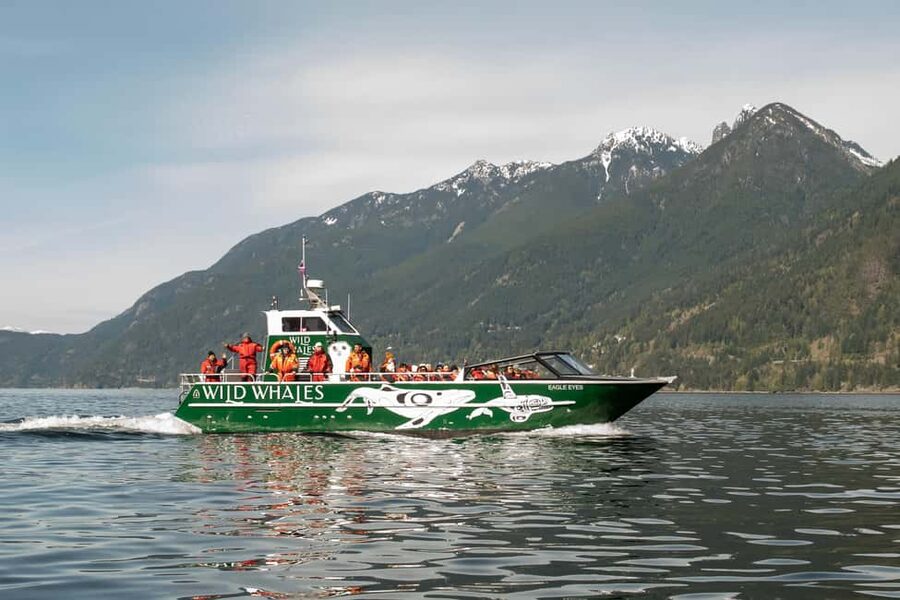
- Open-air Eagle Eyes catamaran with an unobstructed 360° view, so you can watch from any angle
- Captain + marine naturalist commentary to help you identify whales and understand behavior, not just names
- Mid-size vessel feel that helps you avoid the crowded vibe that larger boats can bring
- Whale sightings guarantee, which matters if you’re paying a premium for wildlife time
- Walk-around deck that keeps you in the action while cruising (great for photos and quick spotting)
Eagle Eyes open-air design: the viewing advantage you can feel right away
The big selling point here is the boat itself: Eagle Eyes is an open-air catamaran built for comfort and visibility. There are no enclosed cabins to hide in, and you can move around on deck while the vessel is cruising. For whale watching, that changes everything. Whales don’t surface on a schedule, and they can blow spouts in one direction and then shift position fast. Being able to reposition quickly means you’re more likely to see the full sequence: approach, surface, blow, and often the start of a tail or dive.
The catamaran is also designed to be stable. You still need warm layers, since open-air means wind and spray, but the twin-hull ride tends to feel calmer than smaller craft for many people. And because it’s mid size, it doesn’t feel like you’re stuck on a huge cattle-boat. You can still find your viewing spot without feeling shoulder-to-shoulder the entire time.
If you’re the type who hates waiting behind someone taller with a camera, this is one of the rare tours where the layout actually helps. I like that the experience supports standing and walking rather than pretending everyone will sit politely and still catch the moment.
Getting to Wild Whales Vancouver on Granville Island (and what happens before you sail)
You meet at Wild Whales Vancouver on Granville Island, at 1806 Mast Tower Ln, Vancouver, BC V6H 4B6. Granville Island sits just south of Downtown, and it’s reachable by car, public transport, and the small local ferry service.
Plan to arrive early. The tour includes a 45-minute safety briefing, and you’re expected to be there in advance. Granville Island can be busy in summer, and parking is paid across the island—so showing up right at departure time is a recipe for stress.
What I like about this setup is that you get the orientation before you’re out on the water. That matters when you’re on an open deck with wildlife nearby. You’ll know what to do, where to stand, and how to handle the viewing rules so the whole trip stays safe.
Back under the Granville Bridge for another market run
The Salish Sea cruise: how the 3–5 hours plays out in real life
This is a guided wildlife outing on the Salish Sea, typically lasting 3–5 hours (your booking may show 5 hours as the overall slot, but the on-water time can shift). The reason is simple: whales don’t show up because you scheduled them. The captain and naturalist aim to find sightings based on weather and where animals are moving.
Here’s the rhythm you should expect:
- You set out from Granville Island and start scanning quickly.
- As you’re out on the water, the naturalist provides ongoing commentary to help you recognize species and behavior.
- The itinerary flexes as wildlife appears, so the “best parts” can land near the beginning or stretch toward the middle or end.
You’ll be watching for multiple species types: orcas, humpback whales, gray whales (listed as possible), Pacific white-sided dolphins, Steller sea lions, and harbor seals, plus seabirds. Even when your first sighting isn’t the one you hoped for, the naturalist-style tracking often turns it into a learning moment. And if you’re lucky enough to see orcas or humpbacks, the experience can feel like the ocean is doing a living documentary right in front of you.
A practical note: since the tour is weather-dependent, wind can change visibility and comfort. If you’re prone to feeling cold, bring layers that you can add or shed. You’ll get a lot of time outdoors, and the boat design means you’ll feel the elements more than on a covered ferry.
Spotting orcas, humpbacks, and dolphins with a naturalist in your ear
Seeing whales is thrilling, but the value here is how you see them. The trip is led by an experienced captain and a professional marine naturalist who provides commentary throughout the ride. That turns “a spout in the distance” into something you can interpret: what you’re seeing, what it usually means, and how different animals behave in the Salish Sea.
One reason this works so well is that the guides focus on identification and behavior. For example, a naturalist named Julia was noted for being especially strong at explaining humpback whale behavior and how to identify them while tracking the whales during the excursion. That kind of guidance is what helps you enjoy a sighting even if it’s brief, because you understand what was happening in that moment.
Orcas are often the headline animal, and it’s easy to get why. When an orca surfaces near the boat, you’re watching a top predator in action. Humpbacks are different: you might spot them with more dramatic moments at the surface, and the naturalist can help you connect those observations to feeding and movement patterns. Dolphins add another layer because they can be energetic and visible in different ways, sometimes surfacing in shorter bursts.
And even if the whales don’t cooperate, the naturalist approach usually keeps the trip engaging. Sea lions and harbor seals are also on the viewing list, and seabirds can help you read the ecosystem. In other words: you’re not just waiting for a whale. You’re building context about what’s happening out there.
Comfort on deck: what to wear, what to pack, and what you can skip
This is an open-air tour, so clothing matters. The practical list is simple: warm clothing, a hat, a camera, and your own food and drinks. Bring a reusable water bottle too. If you like to travel light, you can still do that, just don’t underpack warmth.
You’ll also want:
- layers you can adjust fast (wind comes and goes)
- rain protection if you run cold easily
- gloves or warmer sleeves if you’re sensitive
There’s an optional option mentioned for extra warmth: you can request a wind breaker or suit. That’s a good safety net if you don’t want to overthink your packing.
Onboard, there are washrooms and individual seating available. Still, the best viewing usually comes from moving—standing along the deck and re-positioning as animals appear. If you’re expecting a fully seated experience like a theater, you may be happier with a different style of tour.
Also, don’t forget you’re out there looking at water for hours. A camera is obviously useful, but even binoculars (if you own them) can help. The tour’s 360° view is a great start, and good gear makes the most of it.
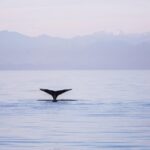
Orcas do not keep schedules. More sailings that find them
Price and value: what $165 covers, and how to judge if it fits your trip
At $165 per person, this is not a bargain ticket, so you’ll want to think about value. The tour includes the guided experience itself: the captain, the marine naturalist, onboard washrooms, and—critically—a whale sightings guarantee. You also get the open-air catamaran experience designed for better viewing and movement than standard enclosed boats.
What’s not included is what often drives up the real cost on the day: food and snacks. You’ll also need gratuity if you choose to add it. And there’s no pick-up or drop-off, so you’re responsible for getting yourself to Granville Island.
To judge value for your situation, ask yourself:
- Are whales a top priority for your Vancouver time?
- Do you want learning (identification and behavior), not just watching from the rail?
- Does the idea of a walk-around open deck appeal to you?
If yes, the price starts to make sense because you’re paying for the boat design, the naturalist expertise, and the time on the water in a strong wildlife area. If whales are a casual interest and you’d rather spend less, you might feel the cost more.
Wildlife etiquette on the water (and why it matters for your chances)
There are clear rules in place: no touching marine life, no touching animals, and no drones. Pets aren’t allowed, and alcohol and drugs aren’t allowed either. Fireworks are also off the table.
From a practical standpoint, these rules help protect the animals and keep your viewing safer and less chaotic. When wildlife is near, it’s tempting to lean forward or reach out for a photo, but the rules keep everyone on the same page. It also reduces distractions, which is good for your own spotting time.
One more practical thing: if you want photos, plan for standing and quick repositioning. Since touching wildlife is prohibited, the best photos usually come from framing, timing, and staying steady—not getting closer.
Who this whale watching tour is best for
This tour is a strong fit if you:
- want an open-air wildlife experience with a 360° view
- care about learning how to identify whales and understand behavior
- enjoy being active on deck and scanning for sightings
It’s also a good option if you want a calmer feel than tiny boats, since the catamaran’s twin-hull design is made for stability.
It’s not recommended for:
- children under 3 years
- pregnant people
- wheelchair users
You should also skip it if you’re looking for a mostly seated, quiet ride with no outdoor exposure. It’s a “go outside and watch” kind of trip.
Should you book this whale watching tour from Granville Island?
Book it if whales and dolphins are a serious priority and you like the idea of 360° visibility with a naturalist explaining what you’re seeing. The combination of the Eagle Eyes boat design, the guided identification focus, and the whale sightings guarantee makes it feel like more than just luck.
Consider another option if you’re sensitive to cold weather, need an accessible seating-only experience, or don’t want to spend hours scanning outdoors. And if your trip window is tight and you hate schedule changes, remember the on-water time can run 3–5 hours based on conditions.
If you’re traveling with curiosity and you want a Pacific Northwest wildlife experience that feels real, this is the kind of tour that rewards attention.
FAQ
How long is the whale watching tour?
The tour runs about 3–5 hours on the water, depending on factors like weather and where the whales are located. The overall duration is listed as 5 hours in the booking details.
Where do I meet the tour?
Meet at the Wild Whales Vancouver office on Granville Island at 1806 Mast Tower Ln, Vancouver, BC V6H 4B6.
Is the catamaran open-air?
Yes. Eagle Eyes is an open-air, custom-built catamaran designed for comfort and maximum visibility, with an unobstructed 360° view.
What marine animals might I see?
The tour lists orcas, humpback whales, gray whales, Pacific white-sided dolphins, Steller sea lions, harbor seals, and seabirds as potential sightings.
Do I need to bring food and drinks?
Food and snacks are not included, so you should bring your own. Water bottle is also recommended.
What should I wear or bring for comfort?
Bring warm clothing, a hat, a camera, and layers for changing conditions. You may also bring an optional wind breaker or suit (availability is described as optional).
Are washrooms available onboard?
Yes, washrooms are available onboard.
What is not allowed on the tour?
Pets, drones, non-folding strollers, alcohol and drugs, touching marine life, fireworks, and touching animals are not allowed.
Is the tour suitable for pregnant people or young children?
It’s not recommended for pregnant people, and children under 3 years are not recommended on this vessel.
The Wider Vancouver Shelf
- Vancouver Half-Day Whale Watching Adventure with Free Photos★ 5.0 · 5,000 reviews
- Big Bus Vancouver Hop-On Hop-Off Sightseeing Tour★ 3.5 · 3,028 reviews
- Victoria & Butchart Gardens Tour with Ferry from Vancouver★ 4.5 · 2,703 reviews
- Vancouver: Covered Whale Watching Adventure with Free Photos★ 4.8 · 2,260 reviews
Back Out for the Orcas
- Vancouver Half-Day Whale Watching Adventure with Free Photos★ 5.0 · 5,000 reviews
- Vancouver: Covered Whale Watching Adventure with Free Photos★ 4.8 · 2,260 reviews
- Whale-Watching Tour from Vancouver★ 4.5 · 1,572 reviews
- Vancouver’s Intimate West Coast Whale Watching Experience★ 4.5 · 698 reviews
Granville Island, Stall by Stall
- Vancouver City Sightseeing Tour: Granville Island & Stanley Park★ 4.5 · 1,782 reviews
- Vancouver Tour: Stanley Park, Granville Island & Capilano Bridge★ 4.5 · 1,778 reviews
- Vancouver Highlights: Capilano Bridge & Granville Island★ 4.7 · 700 reviews
- Granville Island Market Food Tour by Vancouver Foodie Tours★ 5.0 · 552 reviews
Just Reviewed in Vancouver
- Private Transfer from Vancouver Airport to Cruise Terminal (Port)
★ 5.0 · 3 reviews - Private Chauffeured Airport to Whistler Transfer (YVR – Whistler)
★ 3.5 · 3 reviews - Experience the Beauty of Vancouver’s Forests by Bike/E-Bike
★ 5.0 · 3 reviews - Banff, Moraine Lake, Lake Louise and Columbia Icefield 4 Day Tour
★ 4.5 · 3 reviews - Arrival Transfer: Vancouver Airport YVR – Vancouver by Luxury SUV
★ 5.0 · 3 reviews - Vancouver Waterfront Guided Bike/E-Bike Tour
★ 5.0 · 3 reviews
Granville Island Visits & Food Walks, compared.
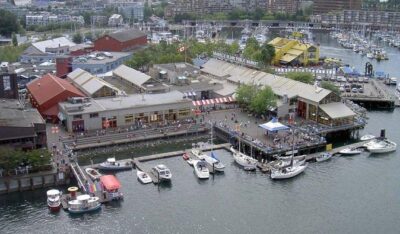 ★ 4.5Vancouver City Sightseeing Tour: Granville Island & Stanley ParkFrom $681,782 reviews
 ★ 4.5Vancouver Tour: Stanley Park, Granville Island & Capilano BridgeFrom $1361,778 reviews
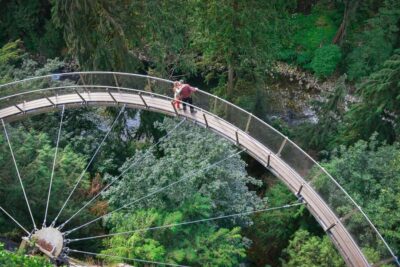 ★ 4.7Vancouver Highlights: Capilano Bridge & Granville IslandFrom $119700 reviews
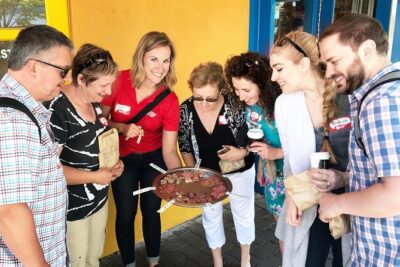 ★ 5.0Granville Island Market Food Tour by Vancouver Foodie ToursFrom $123552 reviews
 ★ 5.0A Wok Around Food Tour of the Granville Island Public MarketFrom $112160 reviews
 ★ 5.0Gastown, Chinatown & Granville Island – Vancouver Bike ToursFrom $74105 reviews
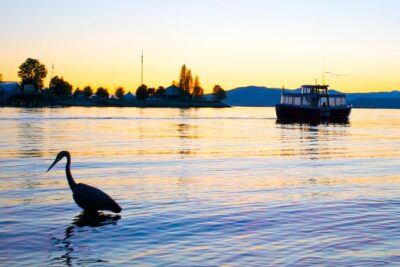 ★ 4.5Granville Island Ferry Hop-On Hop-Off Day PassFrom $1697 reviews
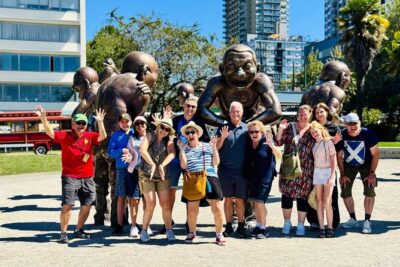 ★ 4.0Vancouver City Tour: Stanley Park, Granville Island & False CreekFrom $5456 reviews
Browse the lists this tour appears in