
Honey tastes better when you see it made.
If you like hands-on travel that actually teaches something, this Squamish honey tour delivers. You’ll suit up, watch bees closely, then take part in the honey-collecting flow from hive frames to jar-ready honey.
I especially like the up-close time at the hives, with the full bee suit and a viewing setup that makes it feel safe and focused. I also love the finish: taste honey straight from the comb, so you can tell the difference right away.
One thing to consider: it’s a real apiary experience, so you’ll follow some rules like no sandals/flip-flops and wearing light, lightweight clothing.
In This Review
- Key highlights you’ll care about
- Suit Up for Hive Time in Paradise Valley
- Viewing the Hives: What You Really Learn From Up Close
- Choosing Frames and Watching Honey Extraction
- Tasting Fresh Honey From the Comb
- Who This Tour Fits Best (and Who Might Want to Skip)
- Price and Timing: Does $32 Make Sense?
- Getting There From Vancouver or Whistler Without Stress
- Photos, Rules, and the Small Details That Matter
- My Booking Advice: Should You Go?
- FAQ
- How long is the Squamish honey tour?
- How much does the tour cost?
- What is the group size and is there an English guide?
- What do we do during the tour?
- Is the tour child-friendly?
- What should I wear, and are sandals allowed?
- Can I take photos during the tour?
- Where is the meeting point?
- Are there any on-site animals or fences to know about?
- What is the cancellation and reserve/pay-later policy?
Key highlights you’ll care about
Full bee suit, including veil and gloves so you can watch hive life without worry
Hands-on honey extraction where you select frames and observe the process
Fresh tasting from the honeycomb for a true flavor-first moment
Small group size (max 6) keeps the guide’s attention on you
Kid-friendly with suit options from age 3 and an adult plan for younger kids
Photo-friendly tour format so you can share the experience
Suit Up for Hive Time in Paradise Valley
This tour starts with the most important part: getting you into the right gear. You’ll head to the hives and put on a full body bee suit, veil, and gloves. That means you’re not just looking from a distance—you’re in the viewing area ready to observe the bees up close in their actual working space.
I like that the host frames the tour as learning, not just sightseeing. You get oriented to how bees behave, what you’re seeing, and why the apiary setup matters. And if you’re traveling with kids, this is one of the easier “nature education” activities to manage. People write about how patient and engaging the host is, which matters a lot when you have small questions (and small hands) in the mix.
You’ll want to dress for practical comfort. Bring light, lightweight clothing and skip sandals or flip-flops. The suit plus the outdoors can get warm, so comfort matters more than style.
Also, know the property isn’t a sterile classroom. There are dogs on site, and there’s an electric fence. The fence will be turned off before tours, but you still should be mindful as you enter the area. In other words: follow the guide’s lead, don’t wander, and you’ll be fine.
Viewing the Hives: What You Really Learn From Up Close
Once the suit is on, you’ll watch bees at work from the apiary viewing area. This is where the tour becomes more than a gimmick. Bees aren’t random. You start noticing rhythms—movement around frames, how the hive structure supports their work, and why pollinators are essential to the ecosystem.
A lot of honey tours talk about honey. This one helps you understand the bees that make it possible. When you’re suited up and placed correctly, the hive time becomes a living lesson in how a colony functions.
What makes this part valuable for you is the mental shift. Instead of thinking honey equals a product, you start thinking honey equals a system. You see the hive as a working setup that’s built to store food and support the colony. That context makes the tasting later feel earned, not just sugary.
Potential drawback: this is not a “quick peek and out the door” kind of stop. You’ll spend real time in the apiary setting, and the rules (clothing, behavior, staying within the toured area) are part of keeping things smooth.
Squamish keeps the adrenaline coming
Choosing Frames and Watching Honey Extraction
After the hive viewing, you move into the honey extraction phase. This is where the tour stays hands-on. You’ll select a few frames of honey to be extracted, then you participate and observe the extracting process.
You won’t be doing everything like a full-time beekeeper, but you’ll be close enough to understand each step and see what’s happening to the frames. That matters. Honey making is a process, and the tour focuses on the behind-the-scenes flow from hive to jar.
Here’s what you’re likely to pick up during this stage:
- How honey is stored within the comb structure
- Why extracting requires care and timing
- How you go from frames to collectable honey in a controlled way
Even if you walked in knowing nothing about bees, you’ll leave with a clearer picture of how honey harvesting fits into the apiary routine.
If you’re sensitive to mess or sticky sensations: keep your expectations realistic. The tour is designed around honey, so you’ll likely see tools, containers, and the natural texture of what’s being worked with. The good news is the format is informal and interactive, so the host can guide you through what to look for.
Tasting Fresh Honey From the Comb
Then comes the part that makes the whole tour click: tasting honey straight from the honeycomb.
This is not a generic spoonful from a jar. You get that intimate, immediate flavor experience—sweet, aromatic, and different from what you might be used to buying at the store. The comb itself is part of the story, and tasting it on-site helps you connect taste with what you saw in the hive.
This is also where kids tend to light up. The reviews repeatedly point to that moment as a highlight, especially for children old enough to participate comfortably. You get a lesson in the most memorable way possible: taste first, then understand.
One practical note: honey flavor can vary. If your palate is sensitive to very sweet food, go slow and let the tasting experience teach you the texture and intensity.
Who This Tour Fits Best (and Who Might Want to Skip)
This tour fits best if you want:
- A hands-on activity that’s actually educational
- A small group setting where questions don’t get lost
- A nature experience you can do easily from Squamish without renting complex gear
It’s also a strong match for families. Bee suits are suitable for children age 3 and older, and the host offers children the chance to explore the hives with an accompanying family member present. For kids younger than 3, an adult should stay with them outside of the apiary viewing area. Parents and caregivers can take turns attending their child if needed.
If you’re traveling with strollers or need a fully seated experience, this may not be the best fit. The tour is built around going to the hives and staying within the viewing area and toured zone.
Also consider the one-star caution you might see in any small review set. There’s at least one report of a host no-show. You can’t control human behavior, but you can reduce risk by confirming your booking details and planning with a bit of flexibility.
Price and Timing: Does $32 Make Sense?
At $32 per person for a 1-hour tour, this sits in the category of short experiences that feel worth it because they include multiple moments:
- bee suit time in a real apiary setting
- observation and participation during extraction
- a fresh honey tasting from the comb
- an English live guide who explains what you’re seeing
You’re paying for more than “entry.” You’re paying for guide-led safety, the equipment and setup required for hive viewing, and the know-how to run extraction and tasting in a way that stays approachable.
Also, the tour is typically available in the afternoon, which helps you build a day around it. If you’re visiting Squamish and want one memorable, local, not-too-long activity, this is a solid candidate.
With only up to 6 participants, the experience doesn’t feel rushed or crowded. That’s a big value factor for something as detail-driven as working around bees.
Getting There From Vancouver or Whistler Without Stress
The meeting point is reached from Highway #1 via Squamish Valley Rd and Paradise Valley Rd, with a gravel driveway entry.
Heading north from Vancouver:
- Turn left off Highway #1 onto Squamish Valley Rd
- Follow Squamish Valley Rd for about 5–7 minutes
- After a 2-lane bridge, take the right fork onto Paradise Valley Rd
- Continue about 5 minutes and cross a single-lane bridge
- After a couple minutes, turn left into a gravel driveway
- Drive through a cedar post and metal gate entrance
- Parking is on the left side of the gravel driveway
Heading south from Whistler is similar, just with a right turn off Highway #1 onto Squamish Valley Rd.
Two practical tips:
- Plan for gravel road conditions and drive slowly as you approach the entrance.
- Arrive a few minutes early so you’re ready to suit up and start on time.
Photos, Rules, and the Small Details That Matter
Good news: you’re welcome to take photos of the tour and share them on social media. That’s great for documenting the hive suit moment and the tasting portion.
What you shouldn’t do is explore beyond the toured area. The experience is meant to stay controlled and organized, especially for safety around bees.
Also follow the clothing rules:
- Avoid sandals or flip-flops
- Wear light colored, lightweight clothing
- Bring a water bottle
The tour format already includes the gear you need for hive viewing, but you should show up hydrated and comfortable. The physical part is short, but the outdoors can still catch you off guard.
My Booking Advice: Should You Go?
Book this tour if you want an actual, sensory understanding of honey and bees. The standout value is the combination of close hive viewing, a clear explanation of the process, and the payoff of tasting honey fresh from the comb. The small group size and English live guide also make it easier to ask questions and get real answers.
Skip it (or at least think twice) if you hate being in protective gear, don’t want to follow on-site rules, or you’re relying on a fully relaxed, no-structure outing. And since there’s a rare report of a no-show, keep your schedule flexible if you can.
If you’re spending time in the Squamish area and want one short, meaningful nature activity, this is an easy yes.
FAQ
How long is the Squamish honey tour?
The tour lasts 1 hour.
How much does the tour cost?
It costs $32 per person.
What is the group size and is there an English guide?
The group is limited to 6 participants, and the live tour guide speaks English.
What do we do during the tour?
You’ll start at the hives and don a bee suit with veil and gloves. You’ll observe bees up close, then select frames and participate in and observe the extracting process. You’ll finish by tasting Bee Wild Paradise Valley honey straight from the honeycomb.
Is the tour child-friendly?
Yes. Children are welcome, and bee suits are suitable for children age 3 and older. Children must be with an accompanying adult at all times. For children younger than 3, an adult should be present outside of the apiary viewing area, and caregivers can take turns.
What should I wear, and are sandals allowed?
Wear light colored, lightweight clothing and bring a water bottle. Sandals or flip-flops are not allowed.
Can I take photos during the tour?
Yes, you’re welcome to take photos and share them on social media.
Where is the meeting point?
From Vancouver, turn left off Highway #1 onto Squamish Valley Rd, follow it for 5–7 minutes, turn onto Paradise Valley Rd at the right fork, continue about 5 minutes, then turn left into the gravel driveway through the cedar post and metal gate. From Whistler, turn right off Highway #1 onto Squamish Valley Rd and follow the same general route.
Are there any on-site animals or fences to know about?
There are dogs on the premises. There is also an electric fence, but it will be turned off prior to the tours.
What is the cancellation and reserve/pay-later policy?
You can cancel up to 24 hours in advance for a full refund. You can also reserve now and pay later, meaning you can book your spot and pay nothing today.
The Wider Vancouver Shelf
- Whistler, Sea to Sky Gondola, and Shannon Falls Day Trip★ 4.8 · 1,134 reviews
- Wet and Wild Elaho Exhilarator Rafting★ 5.0 · 625 reviews
- Sea to Sky Gondola Ticket★ 4.5 · 388 reviews
- Britannia Mine Museum General Admission★ 5.0 · 233 reviews
Squamish, Full Throttle
- Wet and Wild Elaho Exhilarator Rafting★ 5.0 · 625 reviews
- Britannia Mine Museum General Admission★ 5.0 · 233 reviews
- Elaho Whitewater Experience★ 5.0 · 161 reviews
- Cheakamus Family Adventure★ 5.0 · 99 reviews
Just Reviewed in Vancouver
- Squamish: Honey Tour Experience
★ 4.2 · 5 reviews - Squamish Canyon
★ 3.5 · 6 reviews - Alpine Lake Flightseeing Experience from Squamish
★ 5.0 · 7 reviews - Squamish Rock Climbing Taster
★ 5.0 · 12 reviews - Vancouver/Squamish: Garibaldi Park Panorama Ridge Hike
★ 5.0 · 12 reviews - Private Squamish Rock Climbing
★ 5.0 · 15 reviews
Squamish Adventures & River Rafting, compared.
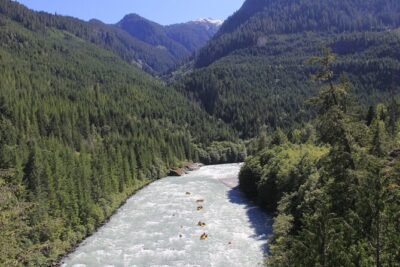 ★ 5.0Wet and Wild Elaho Exhilarator RaftingFrom $183625 reviews
 ★ 4.5Vancouver Airport to-or-from Whistler or Squamish by Bus (Single trip)From $59349 reviews
 ★ 4.5Vancouver City Centre to-or-from Whistler or Squamish (One-way)From $35334 reviews
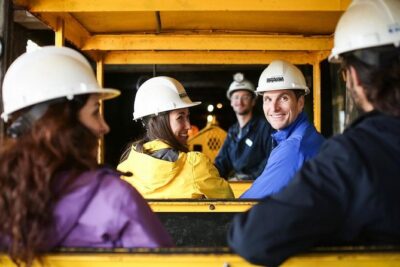 ★ 5.0Britannia Mine Museum General AdmissionFrom $32233 reviews
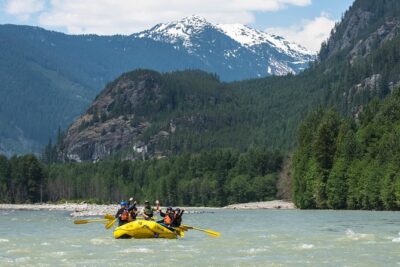 ★ 5.0Elaho Whitewater ExperienceFrom $183161 reviews
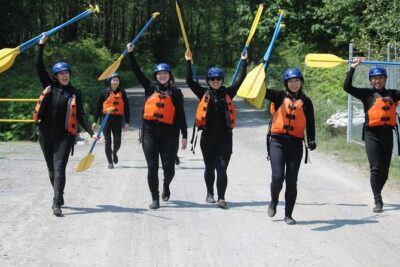 ★ 5.0Cheakamus Family AdventureFrom $14799 reviews
 ★ 5.0Family Friendly Cheakamus Splash RaftingFrom $14797 reviews
 ★ 5.0Squamish Explorer Flightseeing TourFrom $24773 reviews
Browse the lists this tour appears in