
Reviewed · STANLEY PARK & SEAWALL TOURS
Spoken Treasures: Stanley Park Indigenous Walking Tour
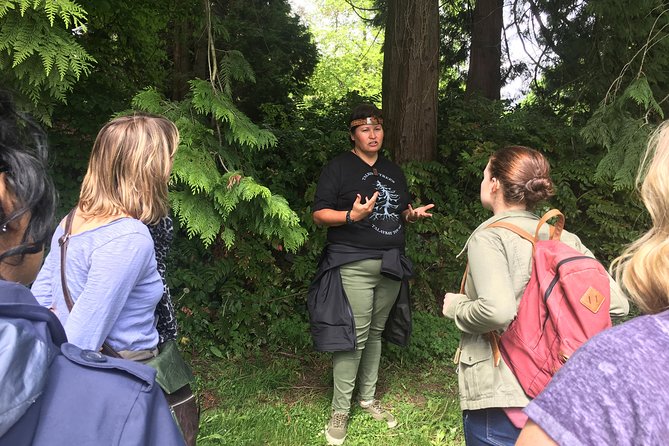
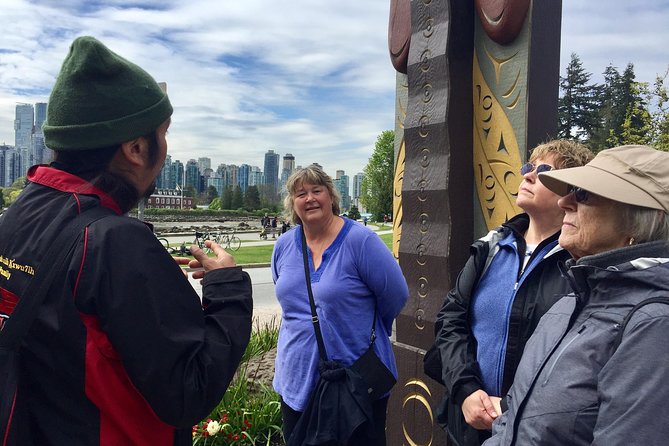
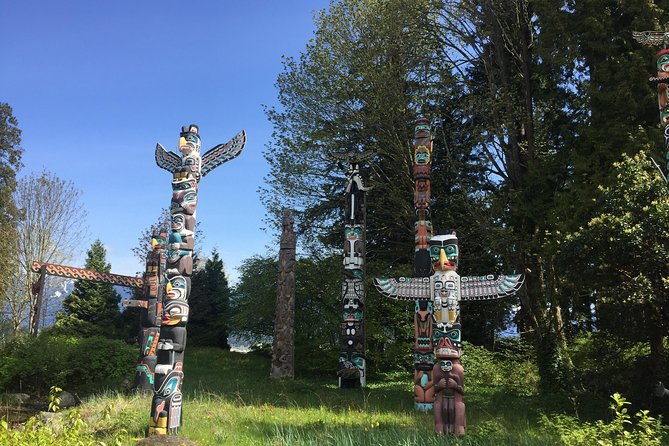
Totem poles feel closer when you walk the path. This Spoken Treasures Indigenous walking tour pairs a guided 1.1 km seawall stroll with storytelling told through Indigenous eyes, finishing at the Stanley Park totem poles. You get a more personal pace than the big attractions, and the group size stays tight.
I especially love the way the guide-led conversation brings you past surface-level sightseeing. When I hear about what people learn, it often lands on real questions, like why ceremony masks show up and what the faces on the poles represent. One possible drawback: the tour runs outdoors and requires good weather, so you’ll want a rain-ready mindset.
You’ll likely meet at 1100 Stanley Park Dr and end at 1976 Stanley Park Dr at the totem poles, after about 1 hour 15 minutes. The tour is in English, uses a mobile ticket, and the operator plans select dates in summer—Tuesdays and Wednesdays in July and August.
In This Review
- Key things I’d zero in on
- Stanley Park Through Indigenous Eyes: What This Seawall Walk Changes
- Where You Meet, Where You End: Quick Logistics That Affect Your Day
- The Walking Part: What You Gain from a Small Group Pace
- Totem Poles Stop: Learning to Read the Carvings (Not Just Look at Them)
- Guides You’ll Actually Remember: Shae and Patrick as Examples
- Price and Value: Is $56.20 Worth It?
- Timing in July and August: When This Runs (and When It Won’t)
- Weather Rules: How to Show Up So the Tour Feels Good
- Who This Tour Suits Best (And Who Might Want Something Else)
- Should You Book Spoken Treasures?
- FAQ
- How long is the Spoken Treasures: Stanley Park Indigenous Walking Tour?
- What does the tour cost?
- Where do I meet, and where does the tour end?
- What time does the tour start?
- Is the tour in English, and do I get a ticket on my phone?
- What is the group size limit?
- What happens if the weather is bad or I need to cancel?
Key things I’d zero in on
- A max group size of 10 means you can actually ask questions and hear the answers
- Seawall walking with Indigenous Cultural Ambassadors keeps Stanley Park grounded in lived knowledge
- Totem pole stop where you learn how to interpret carvings and placement
- Real Q&A topics, including ceremony masks and who the figures on poles represent
- You might get thoughtful extras, like hot tea at the end, depending on your guide
Stanley Park Through Indigenous Eyes: What This Seawall Walk Changes
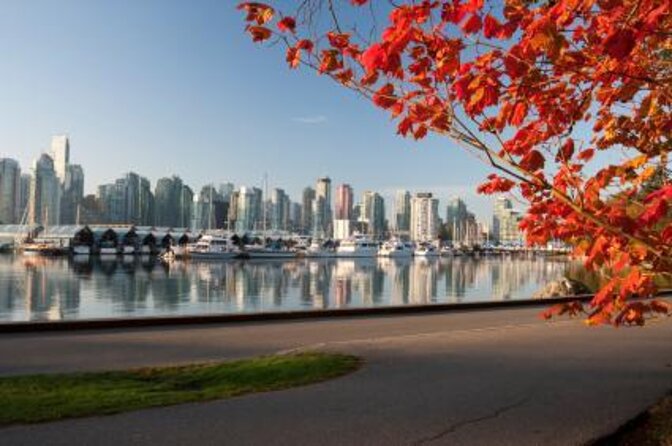
Stanley Park is famous. That also means it can feel a little like a photo set if you only see it from the main paths. This tour works because it slows you down and hands you context while you walk. You’re not just passing trees and water; you’re learning how the place connects to First Nations stories and totem pole meaning.
The walk itself is short and practical: about 1.1 km along the seawall. That matters because you can enjoy the views without doing a full-day hike. It also keeps the tour tight enough to stay focused on the points your guide is sharing, rather than turning into a long slog.
And yes, the totem poles matter here. The tour is designed to end at the poles, not just point at them from a distance. That makes a big difference. When you understand what the carvings represent, you stop treating the totem poles like decoration and start reading them like a family record—created, placed, and explained in a specific cultural way.
Where You Meet, Where You End: Quick Logistics That Affect Your Day
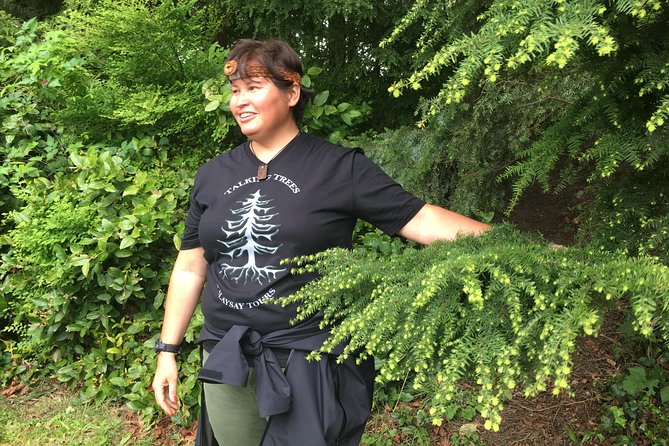
This experience starts at 1100 Stanley Park Dr in Vancouver and ends at 1976 Stanley Park Dr, at the Stanley Park Totem Poles. The start time is 2:00 pm, and the walk plus totem stop runs about 1 hour 15 minutes.
Two practical tips come straight from the structure of the tour:
First, plan your route so you can arrive a little early. The meeting point is in the park area, so you’ll want time to find the correct spot before the group starts moving. The tour is also near public transportation, which helps if you don’t want to deal with parking.
Second, remember you’ll finish at the totem poles. If you’re pairing this with other Stanley Park stops, map your onward plan ahead of time. It’s easy to assume you’ll end back where you started—but you won’t.
Also, private transportation isn’t included, so if you’re coming from outside central Vancouver, you’ll either use public transit or bring your own ride plans.
The park rewards repeat laps. More Stanley Park picks
The Walking Part: What You Gain from a Small Group Pace
The tour is limited to 10 travelers, which is a big deal for this kind of experience. With fewer people, your guide can slow down for questions instead of rushing past them. You can also hear the details without competing with crowd noise.
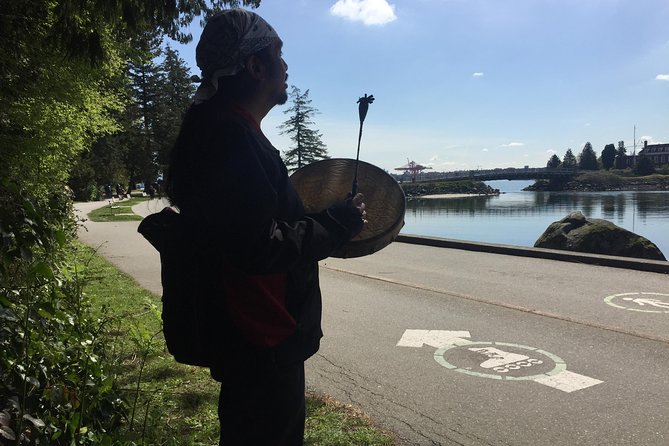
The guide leads you along the seawall and shares stories, history, and lore connected to Vancouver and Stanley Park. The key word here is guided. The seawall is already scenic, but what makes it valuable on this tour is the framing: what you’re seeing, how it connects, and why it’s talked about in the way it is.
I like that the group stays small enough for conversation to stay human. One of the best moments people describe is getting answers to questions that pop into your head while you’re standing right there—questions you wouldn’t usually ask while walking past a landmark.
Totem Poles Stop: Learning to Read the Carvings (Not Just Look at Them)
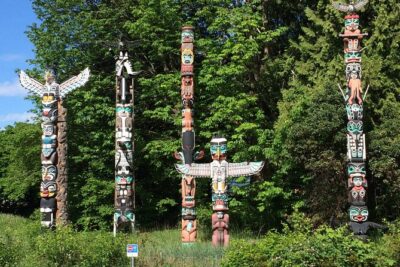
The totem poles are the finish line, and they’re the place where the tour earns its name. This is where the guide wraps the stories up with explanations about the Indigenous peoples who carved the poles and what the figures are meant to communicate.
One very specific, high-interest topic that comes up is how to understand the faces on the poles. In an example question-and-answer exchange, the guide explained that the faces represent ancestors, not random symbols. The guide also described how the pole’s structure can reflect generations—for example, that the lowest figure corresponds to the eldest, with next generations shown in relation to the elders.
Another question that tends to feel awkward at first is ceremony masks. People wonder why masks show up during ceremonies, and that curiosity is exactly the kind of thing this tour format supports. If you’ve ever stared at a carved face and wondered what it means in real life, this is the right setting to ask.
Important note for expectations: totem poles can look mysterious even when you’re trying to be respectful. This tour helps by putting meaning back into the conversation—so you’re not guessing what you’re seeing.
Guides You’ll Actually Remember: Shae and Patrick as Examples
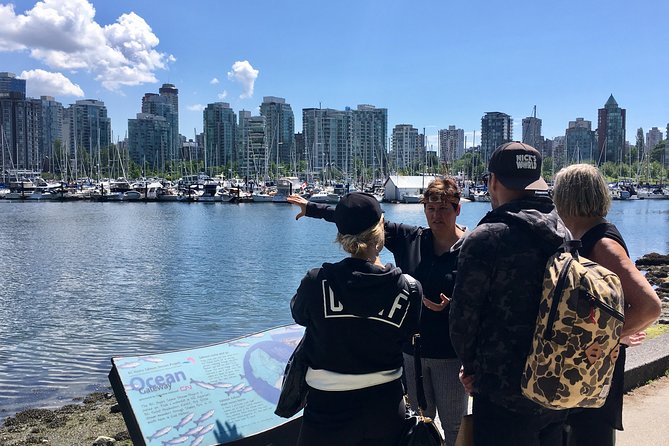
The quality of the guide changes everything on a walking tour. The best part of this one is that the guide isn’t only reciting facts; they’re acting like a cultural ambassador and answering the questions that show up mid-walk.
Two guide names that stand out from the experience data are Shae and Patrick. People described Shae as someone who connects guests to the land and shares stories with real care. Patrick came up in multiple comments as a strong explainer, with lots of information tied to local Vancouver tribes and history/culture.
There’s also an educator-style energy described for one guide, which you’ll feel quickly if you’re the kind of person who asks how or why instead of just what. If you prefer a tour where you can ask follow-ups without feeling rushed, the small group format plus the guide’s teaching background is a good match.
And yes, there’s at least one reported ending touch: one group noted hot tea served at the end. That might not happen every time, but it fits the overall vibe of a guided, relational experience rather than a checklist.
Vancouver gives up more on foot. Other walks



Price and Value: Is $56.20 Worth It?
At $56.20 per person for about 1 hour 15 minutes, this isn’t the cheapest thing you can do in Vancouver. But it’s also not trying to be. You’re paying for three value drivers:
1) A trained Indigenous guide sharing cultural knowledge directly
2) Small-group attention (max 10 people)
3) An experience tied to the totem poles, not just a walk past them
It helps that the tour includes the guided portion as the main product and uses a set walking route along the seawall. You’re not buying a vague guided stroll; you’re buying a structured narrative with a clear ending point.
Also, average booking happens about 35 days in advance. That’s a hint. This tour isn’t random availability; dates can go fast when people plan summer Vancouver.
If you’re deciding between a general Stanley Park outing and something with more meaning, this is the option that turns the park into a place you can talk about afterward.
Timing in July and August: When This Runs (and When It Won’t)
There’s a summer-only reality check here. During July and August, the operator runs on Tuesdays and Wednesdays. This is tied to health and wellness management during Covid, which explains why the schedule may be more limited than you’d expect.
So if you’re traveling in peak season, don’t assume you can pick any day and still get in. Pick your date early, then build the rest of your day around it.
The start time is 2:00 pm, which is a nice time for a shorter walk. You’ll still feel like you’re doing something active, but you’re not committing to an all-day timeline.
Weather Rules: How to Show Up So the Tour Feels Good
This experience requires good weather. That’s not a dealbreaker in Vancouver, but it does change how you pack.
I’d plan for rain and bring:
- Comfortable shoes that handle damp ground
- A light rain layer or umbrella if you prefer it
- A small way to keep your phone from getting soaked
If the tour is canceled due to poor weather, you’ll be offered a different date or a full refund. That’s the practical part: you won’t lose your money because the day turns wet.
Who This Tour Suits Best (And Who Might Want Something Else)
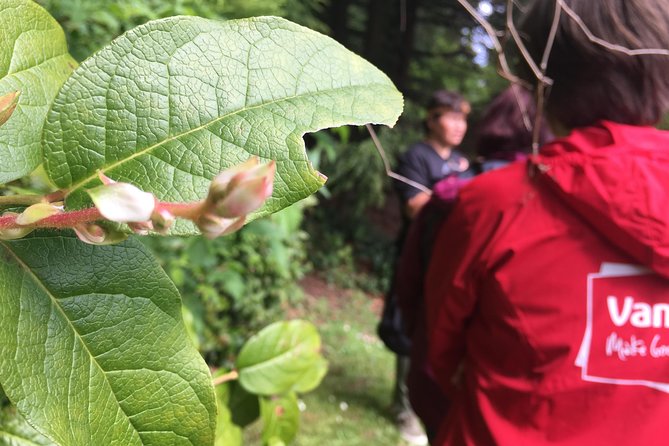
This tour is a great match if you:
- Want a more respectful, Indigenous-led explanation of Stanley Park
- Like asking questions and getting answers on the spot
- Prefer small groups over big buses
- Enjoy short walks that end at a specific landmark
It may not be ideal if you:
- Need a very free-form schedule with no set start/end times
- Are hoping for a long, self-guided explore with lots of stops on your own
- Hate outdoor walking during changing weather
One nice thing: the experience notes that most travelers can participate, and the distance is short. Still, you’ll be on foot on the seawall, so comfort matters.
Should You Book Spoken Treasures?
If you’re visiting Stanley Park and you want more than a scenic stroll, I’d book this. The value is in the combination of small-group size, a trained Indigenous guide, and a totem poles finish that turns what you see into something you can understand.
Choose this tour especially if you:
- Care about meaning and context, not just photos
- Enjoy learning through Q&A
- Want a respectful way to experience totem poles and park stories
If you’re flexible about weather and you can work with the Tuesday/Wednesday summer schedule, you’ll likely get exactly what this tour promises: a more intimate, grounded look at Stanley Park on the seawall, then a solid stop at the totem poles.
FAQ
How long is the Spoken Treasures: Stanley Park Indigenous Walking Tour?
It runs about 1 hour 15 minutes (approx.).
What does the tour cost?
The price is $56.20 per person.
Where do I meet, and where does the tour end?
You start at 1100 Stanley Park Dr, Vancouver, BC V6G 3B3, and the tour ends at 1976 Stanley Park Dr, Vancouver, BC V6G 3E2 at the Stanley Park Totem Poles.
What time does the tour start?
The start time is 2:00 pm.
Is the tour in English, and do I get a ticket on my phone?
Yes, it’s offered in English, and you’ll have a mobile ticket.
What is the group size limit?
The maximum group size is 10 travelers.
What happens if the weather is bad or I need to cancel?
The experience requires good weather. If it’s canceled due to poor weather, you’ll be offered a different date or a full refund. You can cancel for free up to 24 hours in advance for a full refund. Changes made less than 24 hours before the start time aren’t accepted, and refunds aren’t available within 24 hours of the start time.
The Wider Vancouver Shelf
- Vancouver Half-Day Whale Watching Adventure with Free Photos★ 5.0 · 5,000 reviews
- Big Bus Vancouver Hop-On Hop-Off Sightseeing Tour★ 3.5 · 3,028 reviews
- Victoria & Butchart Gardens Tour with Ferry from Vancouver★ 4.5 · 2,703 reviews
- Vancouver: Covered Whale Watching Adventure with Free Photos★ 4.8 · 2,260 reviews
Sidewalk Miles in Vancouver
- Gastown Historic Walking Food Tour★ 5.0 · 1,863 reviews
- Vancouver Lost Souls of Gastown Walking Tour★ 5.0 · 1,273 reviews
- A Wok Around Chinatown: Culinary and Cultural Walking Tour Led by a Chef★ 5.0 · 610 reviews
- The Forbidden Downtown and Gastown Walking Tour★ 5.0 · 476 reviews
Another Lap of Stanley Park
- Vancouver City Sightseeing Tour: Granville Island & Stanley Park★ 4.5 · 1,782 reviews
- Vancouver Tour: Stanley Park, Granville Island & Capilano Bridge★ 4.5 · 1,778 reviews
- The Stanley Park Bicycle Tour by Cycle City Tours★ 5.0 · 785 reviews
- Stanley Park Horse Drawn Tour in Vancouver★ 4.5 · 550 reviews
Just Reviewed in Vancouver
- Private Transfer from Vancouver Airport to Cruise Terminal (Port)
★ 5.0 · 3 reviews - Private Chauffeured Airport to Whistler Transfer (YVR – Whistler)
★ 3.5 · 3 reviews - Experience the Beauty of Vancouver’s Forests by Bike/E-Bike
★ 5.0 · 3 reviews - Banff, Moraine Lake, Lake Louise and Columbia Icefield 4 Day Tour
★ 4.5 · 3 reviews - Arrival Transfer: Vancouver Airport YVR – Vancouver by Luxury SUV
★ 5.0 · 3 reviews - Vancouver Waterfront Guided Bike/E-Bike Tour
★ 5.0 · 3 reviews
Stanley Park & Seawall Tours, compared.
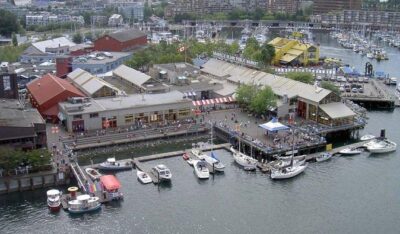 ★ 4.5Vancouver City Sightseeing Tour: Granville Island & Stanley ParkFrom $681,782 reviews
 ★ 4.5Vancouver Tour: Stanley Park, Granville Island & Capilano BridgeFrom $1361,778 reviews
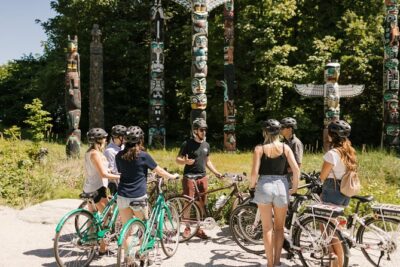 ★ 5.0The Stanley Park Bicycle Tour by Cycle City ToursFrom $81785 reviews
 ★ 4.5Stanley Park Horse Drawn Tour in VancouverFrom $48550 reviews
 ★ 5.0Stanley Park & Downtown – Vancouver Bike ToursFrom $74243 reviews
 ★ 5.0Vancouver Secrets of Stanley Park Walking TourFrom $29208 reviews
 ★ 4.9Stanley Park Bicycle TourFrom $76194 reviews
 ★ 4.5Sunset Bus Tour: Stanley Park & English Bay PhotostopsFrom $31181 reviews
Browse the lists this tour appears in