Reviewed · GASTOWN & CHINATOWN TOURS
A Wok Around Chinatown: Culinary and Cultural Walking Tour Led by a Chef
Four hours, and my appetite learned history. This chef-led Vancouver Chinatown food-and-culture walk ties together street scenes, small shops, and stories, starting at the Dr. Sun Yat-sen Classical Chinese Garden before you work up to dim sum.
I especially liked the mix of calm and noise: the garden gives you a breather, then the city takes over with tastings that make the food feel personal. My other favorite part is the dim sum lunch, which is substantial, not just “one bite and done.” One consideration: the pace can include waiting around during food sourcing, and Chinatown itself includes the real-world street-life side—so it’s not all postcard storefronts.
In This Review
- Key highlights to know before you go
- Why Vancouver’s Chinatown works best on foot
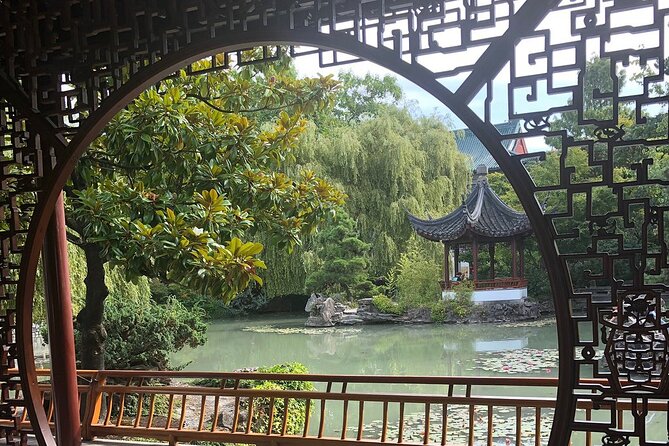
- Starting at Dr. Sun Yat-sen Classical Chinese Garden: the calm before the flavors
- How the chef turns Chinatown food into a cultural lesson
- Tea tastings and the rhythm of a traditional service
- Cookware and herbal medicine shops: the practical Chinatown you don’t see from a taxi
- Dim sum lunch: included, filling, and timed around the group
- Pace, group size, and the real Chinatown street experience
- Price and value: is $122.28 a fair deal for 4 hours?
- Who this tour suits best (and who should reconsider)
- Quick tips to get the most from your morning
- Should you book A Wok Around Chinatown?
- FAQ
- How long is the Chinatown walking tour?
- Where does the tour start, and when does it begin?
- Is a dim sum lunch included?
- What kinds of food and drinks are included?
- How big is the group?
- Do I need to bring a paper ticket?
- What if I have food allergies or dietary considerations?
- Is the tour easy to join for most people?
- What’s the cancellation policy?
- What happens if there aren’t enough people booked?
Key highlights to know before you go
- Dr. Sun Yat-sen Classical Chinese Garden first: you start with quiet beauty, a smart tone-setter for what comes next.
- A chef host with local ties: many tours are led by chefs such as Bob Sung or Thomas, who connect dishes to Chinese Canadian life in BC.
- Tea is part of the story: you’ll taste tea and learn about it as part of the culture, not just as a pause.
- Cookware and herbal medicine shops: you’ll see everyday corners of Chinatown that tourists often skip.
- Dim sum lunch is the center: it’s included and it can leave you comfortably full.
- Small group size (max 14): easier questions and a more conversational feel as you walk.
Why Vancouver’s Chinatown works best on foot
Vancouver’s Chinatown is dense with meaning. You can see it in the signs, the shopfronts, and the rhythm of daily life—but that meaning only clicks when you’re moving slowly enough to notice details. This tour is built for that. You’re not trying to “check off” stops. You’re sampling and listening, so the neighborhood becomes a living map.
The best thing about doing it this way is simple: food is the fastest language. When someone explains why a dish is served a certain way, or how certain ingredients show up in everyday Chinese culture, your meal becomes a story you can taste. And since you’re walking with a small group, you get time to ask the follow-up questions that usually pop up after the first bite.
Starting at Dr. Sun Yat-sen Classical Chinese Garden: the calm before the flavors
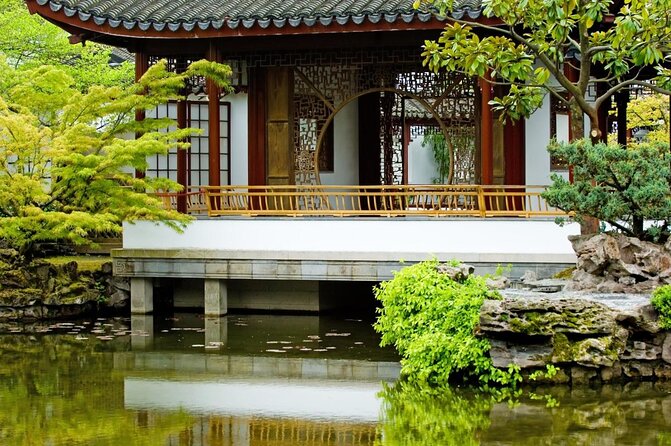
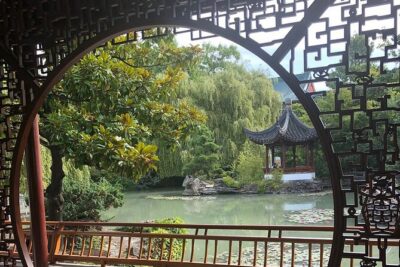
You meet at 578 Carrall St, right by the Dr. Sun Yat-sen Classical Chinese Garden, and you start with the garden itself. This is a real urban oasis, and it’s often described as one of the top city gardens worldwide. Even if you’ve visited other Chinese gardens, this one works because it’s close to the street life—so the contrast hits immediately.
What I like about beginning here is that it slows you down. The chef host typically frames Chinese cultural values early on (you may hear about three traditional values), then you’re ready to connect those themes to what you’ll see later: food customs, shop traditions, and community history. The tour also points out features in a way that helps you look, not just glance. You might hear references to symbolic elements of garden design and stories tied to the interpretive rock and pavilion settings—details that make the garden more than “pretty photos.”
Practical note: it’s still a walking tour. Even in the garden, you’ll be on your feet, so wear comfy shoes. And if you go during colder months, plan for the garden and nearby sidewalks to feel chilly, especially in late fall and winter.
Between the steam clock and the dim sum, more to join
How the chef turns Chinatown food into a cultural lesson
The walking section is where the tour earns its keep. You move through colorful Chinatown blocks, and you stop to sample multiple items. The goal isn’t to make you eat everything on earth—it’s to show patterns. How snacks differ from meal dishes. How tea culture fits into daily routines. How street-side foods reflect community identity.
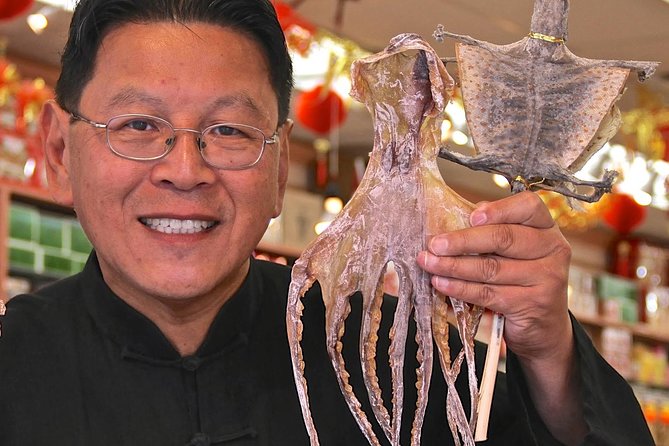
A few of the kinds of foods you might encounter include things like pork buns and Chinese BBQ-style favorites. You may also get less common items depending on the day and the group’s preferences, and at least one guest specifically mentioned trying jellyfish during their tour. That’s the point: this isn’t just “safe, familiar bites.” It’s a guided path toward dishes you’d be less likely to order on your own.
One reason guests rate this so highly is that the chef host tends to connect the food to context you can actually use. You’ll learn how Chinese Canadian history in BC shaped what people ate, how shops operated, and how traditions stayed alive after immigration. For many first-timers, it reframes the neighborhood from “a place to eat” into “a community with continuity.”
Tea tastings and the rhythm of a traditional service
Tea shows up more than once here. At minimum, you should expect tea as part of the included tastings, and the tour often ends with a tea service element where etiquette and meaning get explained. Some tours are described by guests as feeling like a more formal tea ceremony-style finish, with a gentle, reflective wrap-up after lunch.
Why this matters: tea isn’t an add-on beverage in Chinatown. It’s part of how people slow down, socialize, and manage digestion around heavier foods. When the chef host talks about how tea is chosen and served, you start noticing tea on your own during the rest of your trip—at markets, in restaurants, and in cafés.
Bring an open mind with tea. Some blends are more floral or more earthy than what many people expect. If you’re very sensitive to strong flavors, tell your host early, so the tasting selection and pacing work for you.
Cookware and herbal medicine shops: the practical Chinatown you don’t see from a taxi
Between tastings and lunch, you’ll step into the kinds of places that make Chinatown feel like a working neighborhood. The tour includes visits to cookware and herbal medicine shops, and that’s a smart inclusion. It’s easy to stay focused on food only. But these stores explain where ingredients, tools, and remedies come from—and why traditional practices still matter to local life.
You’ll also pick up context on everyday uses and the cultural logic behind certain items. Even if you don’t buy anything, the difference is noticeable. You stop seeing shelves as “decor” and start seeing them as tools people use for real cooking and care.
One caution: you might feel shopping pressure in any tour that includes shop stops. In the best-case scenario, the guide keeps it focused on sampling and explanation. In the less-perfect scenario, you may be encouraged to purchase during a stop. If you’re not interested in buying, you can still enjoy the tour, but set the expectation that you’ll be inside shops as part of the experience.
Still hungry? Vancouver keeps feeding

Dim sum lunch: included, filling, and timed around the group
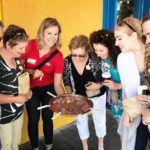
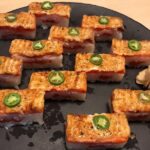
Lunch is included and it centers on dim sum. The format tends to be a sit-down meal rather than a “grab-and-go” situation, and the portion sizes can be generous. One guest compared the dumpling sizes favorably to what they’d gotten back home, saying a single dumpling could feel like two back stateside.
The big upside: dim sum is naturally social and variety-heavy, so it matches the tour’s overall style. You’re not stuck with only one dish. You’ll sample across flavors and textures, which helps you understand how dim sum works as a meal system, not just a list of items.
The possible drawback is timing. One guest noted their dim sum sit-down felt rushed. Another concern that comes up with tours like this is waiting time outside while food is prepared. In general, expect a mix of walking, sampling, and short waits. If you hate standing around, build in patience. This is a food culture tour, not a fast-food relay.
Pace, group size, and the real Chinatown street experience
This tour caps at a maximum of 14 travelers. That small group size is a big deal here. You get more chances to hear explanations clearly, and you don’t feel like you’re shouting across a crowd.
That said, you are still in Chinatown. You may notice empty storefronts or street-life elements. A negative review mentioned that parts of the neighborhood looked run-down, and that the walk can feel less glossy than people expect. The tour doesn’t pretend those realities aren’t there. If you want only polished scenery, you might find the setting a little uneven.
The pace is generally designed to balance history, tasting, and breaks, and many guests say the timing feels right. Still, if you’re the kind of traveler who wants everything ready the moment you arrive at each stop, you may find parts of the process take longer than you’d hoped. This seems to be the main type of complaint: waiting during ordering or food preparation.
My advice: treat waiting as part of the deal. The chef host is the translator between food and story. When that’s working, time spent waiting doesn’t feel wasted. When it’s not, it can feel awkward. You can reduce the chance of it feeling awkward by arriving on time and coming hungry enough to enjoy the wait.
Price and value: is $122.28 a fair deal for 4 hours?
At $122.28 per person for about four hours, this isn’t a “cheap snack tour.” But when you break down what’s included, the value becomes clearer.
You’re paying for:
- a guided walking experience with food samplings
- tea included
- an included dim sum lunch
- a chef host who connects the food to Chinatown history and Chinese Canadian culture in BC
Many guests highlight that they leave fully fed, not just lightly tasting. One guest even described the portion and overall value as better than what they were used to paying for similar food at home. That matches the feel you should expect: you’re paying for guided context and for a real meal, not just a collection of tiny bites.
If you’re the type who loves food plus meaning—why a dish exists, how traditions traveled, how shops functioned—then the price feels more than fair. If you mostly want a quick “eat and go” tasting loop, you might prefer a simpler food crawl with fewer explanations.
Who this tour suits best (and who should reconsider)
This tour shines for:
- couples and small groups who want a slower morning with stories
- first-time visitors to Vancouver who want a guided orientation to Chinatown
- food lovers who enjoy trying unfamiliar items
- travelers who like history that shows up in everyday life, not just in museums
It may be less ideal if:
- you dislike walking tours in dense city areas
- you strongly prefer minimal waiting between stops
- you want alcohol included (alcohol isn’t part of what’s covered, and you’d have to purchase it separately)
- you’re expecting a purely polished, showroom-type Chinatown
If you fall into the middle zone—curious but practical—you’ll probably be happy. The small group helps, and the garden start gives you a strong opening even if the rest of the neighborhood isn’t what you pictured.
Quick tips to get the most from your morning
A few practical moves make the tour smoother:
- Wear shoes you can walk in for several blocks. This is real street walking.
- Eat something light before you go, but don’t arrive stuffed. Dim sum lunch is a highlight.
- If you have food allergies, you should flag them when booking, since the tour involves multiple tastings.
- Come ready for a mix of history talk and food stops. This is meant to be a cultural walk, not only a tasting parade.
- Bring a light layer if the weather is cool. The garden and sidewalks can feel colder than you expect.
Also, if you want the story side to land well, ask questions early. A big part of the charm is that chef hosts share personal favorites and connect them to local context—so your questions can steer what you notice most.
Should you book A Wok Around Chinatown?
I’d book it if you want a morning that’s not just about eating, but about understanding how Chinese Canadian culture shows up in Vancouver day to day. The garden start is a strong payoff, and the dim sum lunch plus tea makes it feel like you actually got a meal and an experience, not just a snack sampler.
I’d think twice only if you’re extremely time-sensitive, dislike any waiting at food stops, or want Chinatown to look perfectly “clean” and curated. If you can accept the real neighborhood setting and you’re good with a chef-guided pace, this tour is one of the best ways to spend half a day in the area.
FAQ
How long is the Chinatown walking tour?
It runs for about 4 hours.
Where does the tour start, and when does it begin?
It starts at Dr. Sun Yat-sen Classical Chinese Garden, 578 Carrall St, Vancouver, BC V6B 5K2, and the start time is 11:00 am.
Is a dim sum lunch included?
Yes. Dim sum lunch is included.
What kinds of food and drinks are included?
The tour includes walking food samplings, tea, and the dim sum lunch. Alcoholic drinks are not included.
How big is the group?
The maximum group size is 14 travelers.
Do I need to bring a paper ticket?
No. It uses a mobile ticket.
What if I have food allergies or dietary considerations?
You should indicate any food allergies or considerations when booking, since the tour includes tastings.
Is the tour easy to join for most people?
Most travelers can participate.
What’s the cancellation policy?
Free cancellation is available up to 24 hours in advance for a full refund.
What happens if there aren’t enough people booked?
The tour requires a minimum of 2 persons per booking. If there are fewer than the minimum, the tour will be cancelled.
Sidewalk Miles in Vancouver
- Gastown Historic Walking Food Tour★ 5.0 · 1,863 reviews
- Vancouver Lost Souls of Gastown Walking Tour★ 5.0 · 1,273 reviews
- The Forbidden Downtown and Gastown Walking Tour★ 5.0 · 476 reviews
- Gratuity-Based Vancouver City Highlights 3 Hour Walking Tour★ 4.5 · 320 reviews
Fork First Through Vancouver
- Gastown Historic Walking Food Tour★ 5.0 · 1,863 reviews
- Granville Island Market Food Tour by Vancouver Foodie Tours★ 5.0 · 552 reviews
- Vancouver Food Tour with 6 Tastings of Sushi, Chocolate, and more★ 5.0 · 419 reviews
- Gastronomic Gastown Food Tour by Vancouver Foodie Tours★ 5.0 · 238 reviews
Old Vancouver on Foot
- Gastown Historic Walking Food Tour★ 5.0 · 1,863 reviews
- Vancouver Lost Souls of Gastown Walking Tour★ 5.0 · 1,273 reviews
- The Forbidden Downtown and Gastown Walking Tour★ 5.0 · 476 reviews
- Vancouver: Lost Souls of Gastown Tour★ 4.7 · 279 reviews
Just Reviewed in Vancouver
- Private Transfer from Vancouver Airport to Cruise Terminal (Port)
★ 5.0 · 3 reviews - Private Chauffeured Airport to Whistler Transfer (YVR – Whistler)
★ 3.5 · 3 reviews - Experience the Beauty of Vancouver’s Forests by Bike/E-Bike
★ 5.0 · 3 reviews - Banff, Moraine Lake, Lake Louise and Columbia Icefield 4 Day Tour
★ 4.5 · 3 reviews - Arrival Transfer: Vancouver Airport YVR – Vancouver by Luxury SUV
★ 5.0 · 3 reviews - Vancouver Waterfront Guided Bike/E-Bike Tour
★ 5.0 · 3 reviews
Gastown & Chinatown Tours, compared.
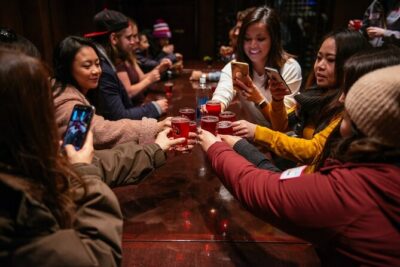 ★ 5.0Gastown Historic Walking Food TourFrom $1161,863 reviews
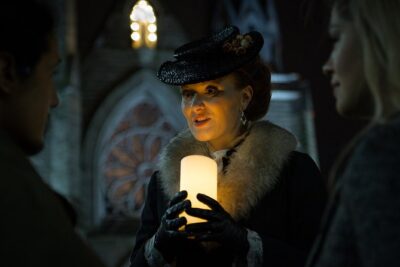 ★ 5.0Vancouver Lost Souls of Gastown Walking TourFrom $291,273 reviews
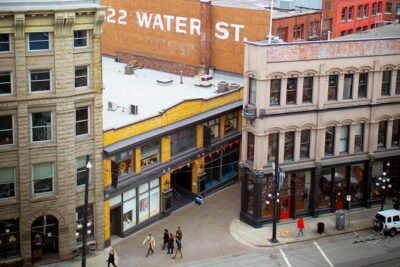 ★ 5.0The Forbidden Downtown and Gastown Walking TourFrom $29476 reviews
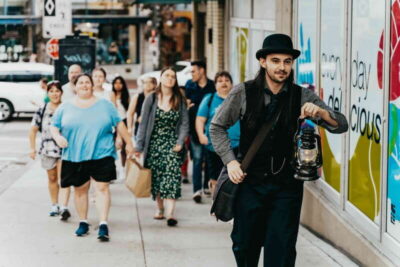 ★ 4.7Lost Souls of Gastown TourFrom $28279 reviews
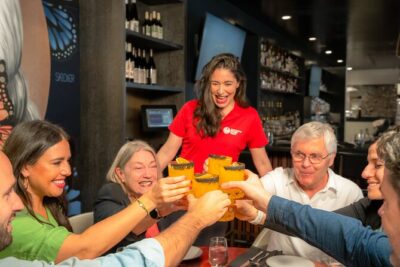 ★ 5.0Gastronomic Gastown Food Tour by Vancouver Foodie ToursFrom $231238 reviews
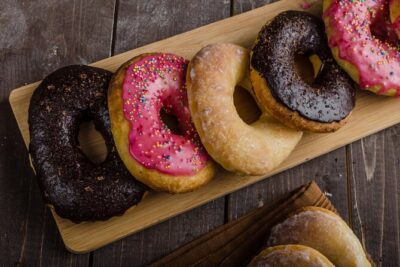 ★ 5.0Experience Gastown Vancouver’s Elite Walking Food TourFrom $80134 reviews
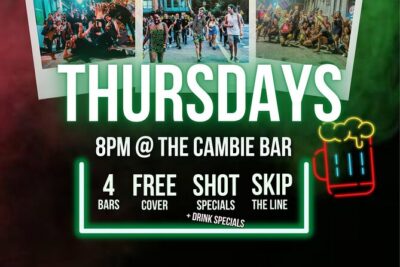 ★ 4.5Gastown Pub Crawl127 reviews
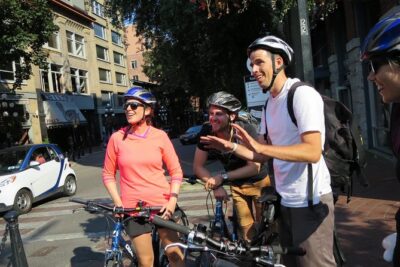 ★ 5.0Gastown, Chinatown & Granville Island – Vancouver Bike ToursFrom $74105 reviews
Browse the lists this tour appears in