
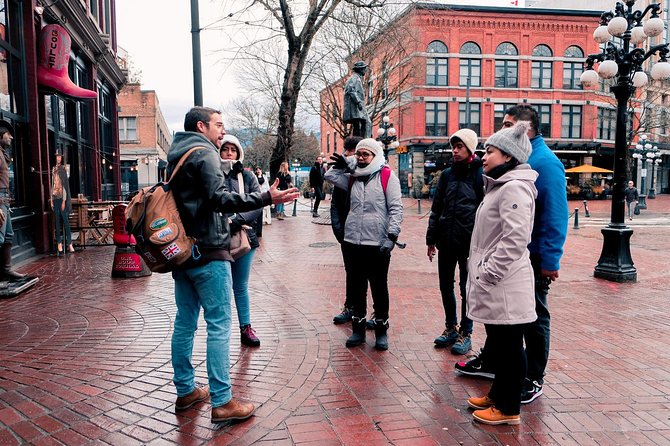
Reviewed · GASTOWN & CHINATOWN TOURS
Gastown, the origins of Vancouver
Gastown tells Vancouver’s story in one stroll. This guided walk connects the origins of Vancouver to the streets and buildings you’ll actually see, from the steam clock to Dry Law alleys and early-1900s landmarks. I especially like how the guide turns Gastown into a narrative you can follow, and I like that the pace is built for asking questions in a private tour format. One thing to keep in mind: this experience depends on good weather, so plan for a possible reschedule.
You’ll start at 4 Powell St and end at Canada Place, which is handy if you’re staying downtown or wrapping up near the waterfront. Tours run at multiple departure times, and you can choose English, Spanish, or Chinese.
In This Review
- Quick hits for your Gastown walk
- Why Gastown is the starting point for Vancouver’s story
- Meeting Powell Street and ending at Canada Place
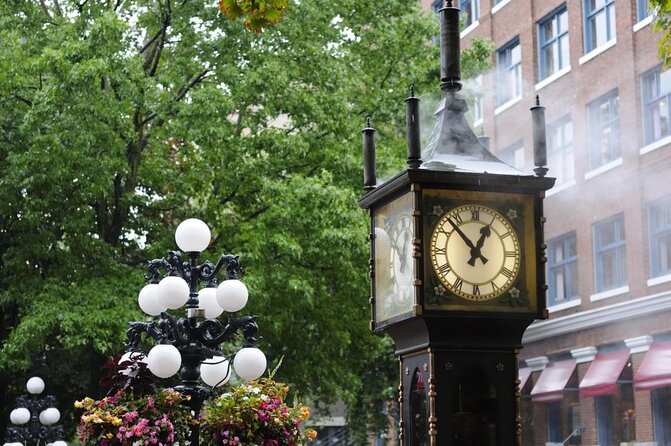
- Gassy Jack area and the Steam Clock: more than just a photo stop
- Historic blocks: early twentieth-century buildings and an old bar
- A lookout moment: changing the view, changing the timeline
- The Vancouver train station opened in 1914
- Main Street and the shift from origins to growth
- Expo86 venue: a late-20th-century chapter in the same city
- Price and value: what $52.45 buys you
- Guides, pace, and how to get the best experience
- Practical tips for a smoother Gastown walk
- Should you book this Gastown origins tour?
- FAQ
- How long is the Gastown origins tour?
- What does the tour cost?
- Where do I meet, and where does the tour end?
- Is this a private tour?
- What languages are available?
- Do I need good weather?
- Can I cancel for free?
- Do I get a mobile ticket and confirmation?
Quick hits for your Gastown walk
- A private group means the guide can slow down when you want details
- Steam Clock + Gassy Jack area are covered with context, not just photos
- Dry Law alley stories add an unexpected edge to the old-street look
- Landmarks across eras show up fast, including the 1914 train station and an Expo86 site
- English, Spanish, and Chinese departures make it easier to match your comfort level
Why Gastown is the starting point for Vancouver’s story
Gastown is one of those places where you can read history with your eyes. Even though Vancouver is often thought of as a modern city, Gastown is where many early threads of the city’s identity took shape.
A big part of the fun is that Gastown doesn’t feel like a museum. It’s still a neighborhood of streets, corners, and storefronts, so when the guide explains why certain sites exist where they do, you start noticing details you’d otherwise miss. This is the kind of tour that helps you get your bearings fast before the rest of the city opens up.
Meeting Powell Street and ending at Canada Place
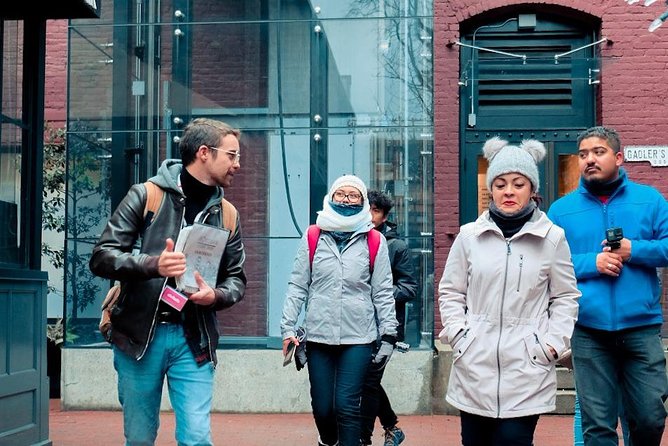
The route is designed like a downtown loop with a clear beginning and end. You meet at 4 Powell St and finish at 999 Canada Pl by Canada Place, which can be a great landing zone if you’re heading to the waterfront, a transit connection, or just want to stay near where the cruise-ship energy lives.
Timing matters here because the walk is about 1 hour 15 minutes. That’s long enough to hit the key landmarks and get real explanation, but short enough that you’re not stuck wandering all day. If you’re doing other Vancouver stops afterward, this slot fits nicely.
You’ll also appreciate that the experience includes a mobile ticket, and it’s near public transportation. In a city like Vancouver, that makes last-minute changes easier if weather, schedules, or crowds don’t cooperate.
Between the steam clock and the dim sum, more to join
Gassy Jack area and the Steam Clock: more than just a photo stop
One of the most recognizable landmarks you’ll encounter is the famous steam clock. It’s a visual magnet, but the guide’s job is to show why it became such a symbol for Gastown in the first place.
Another key stop is the old Gassy Jack sight area. The guide connects that point in the story to the neighborhood’s character, and you’ll hear how local figures and civic decisions shaped what Gastown became. If you’ve ever wondered why small statues and street locations end up carrying big meaning, this is where the tour explains it.
As you walk, you’ll also catch a sense of the neighborhood’s older commercial side. The tour includes alleys where murky business was happening during the dry law, which gives the Gothic-street vibe a historical reason. It’s not just a spooky story for effect; it adds context to the kind of place Gastown was before it turned into a must-see heritage district.
Historic blocks: early twentieth-century buildings and an old bar
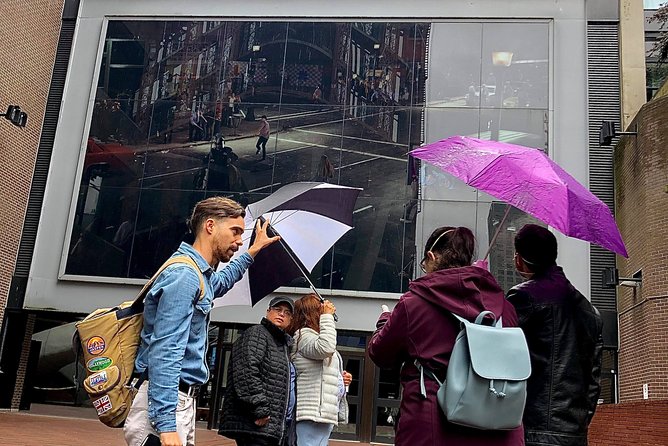
Gastown’s charm isn’t only about one landmark. The tour route also includes historic buildings from the early twentieth century, so you’re not bouncing from icon to icon without a timeline.
There’s also an emblematic bar with more than 120 years on the route. Stops like this matter because they show how social life and commerce evolved in the same streets people still walk today. It’s the difference between seeing Gastown as scenery versus understanding it as a lived-in neighborhood with continuity.
Pay attention to how the guide links these structures to the city’s growth. When you connect the buildings to what they likely served back then, the area starts feeling less like a set and more like a place that made decisions over time.
A lookout moment: changing the view, changing the timeline
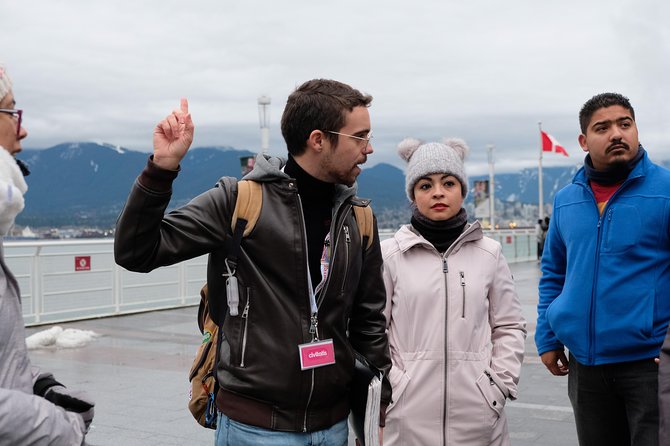
You’ll also make time for the lookout building—an iconic vertical moment that shifts how you perceive the area. Even without going deep into technical details, a lookout stop helps you see Gastown’s position relative to the rest of the city center.
This is one of those practical tour elements: looking down helps you understand the geography that explains why places developed where they did. After that, returning to street level tends to feel easier, because your brain has a reference point now.


The Vancouver train station opened in 1914
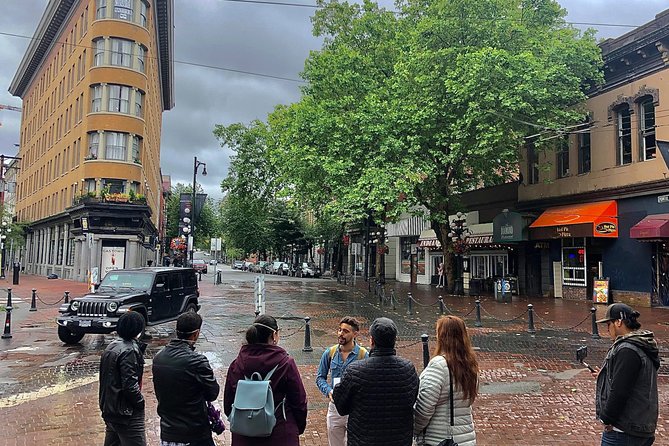
One of the clearer markers of growth on the tour is the train station opened in 1914. Even if you’ve never thought about Vancouver as a rail-powered city, this stop helps explain why transportation hubs strongly influence where business clusters and how neighborhoods evolve.
A good guide will tie the station into the bigger story of the city’s early expansion. That’s useful because Vancouver’s layout can look straightforward at first glance—until you realize the “why” behind those main routes and corridors.
If you like history that connects to real infrastructure, this stop is a highlight. It gives the tour a shift from neighborhood-scale stories to city-scale development.
Main Street and the shift from origins to growth
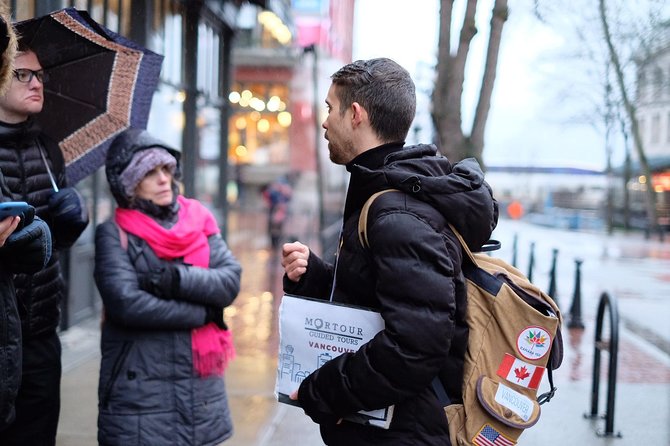
The walk also includes Main Street as part of the story. This matters because Main Street usually feels like a broad social and commercial artery, and the tour’s framework helps you see it as more than a street name.
The guide’s explanations connect Gastown’s early identity to what came after, so you’re not stuck in the 1800s the whole time. You get a sense of how a young city’s needs, migration, and commerce pushed it forward.
Expo86 venue: a late-20th-century chapter in the same city
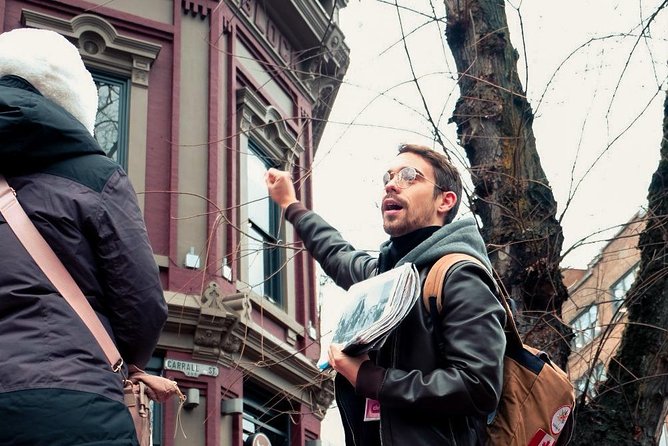
To keep things from feeling like a one-era time capsule, the tour includes an Expo86 venue in Vancouver. This is where Vancouver’s story turns from “early origins” into “how the city presents itself and builds on its momentum.”
Even if Expo86 isn’t your personal favorite topic, this stop helps you understand why the city’s modern image has roots. It’s a reminder that Vancouver keeps reinventing itself while still reusing older patterns: gathering crowds, building landmarks, and making identity visible in public spaces.
Price and value: what $52.45 buys you
At $52.45 per person for about 1 hour 15 minutes, this tour isn’t priced like a quick roadside stroll. You’re paying for a guide-led interpretation of multiple standout sites: steam clock, Gassy Jack area, old-story alleys, historic buildings, the 1914 train station, and an Expo86 site—plus the ability to ask questions.
The value is strongest when you treat the tour as your orientation session. You’ll walk away with a mental map of Gastown and how its characters and structures connect to the larger city. In a city where neighborhoods can blur together, that kind of guided clarity can save you time later.
The other value lever here is that it’s a private tour for your group, so you’re not competing with strangers for the guide’s attention. That can make the difference between a tour that’s merely informative and one that actually sticks.
Guides, pace, and how to get the best experience
This tour lives or dies on the guide’s delivery. The good signs are clear: some guides are praised for being patient with questions and for presenting the story in an easy-to-follow way. Names that have come up include Fernando, Ken, and Moises, each associated with strong historical explanations and a friendly approach.
The balanced caution is that a very small number of experiences have had serious issues like a guide not showing up and difficulty reaching the operator. I can’t predict whether that will happen on your date, but you can protect yourself by planning ahead: book earlier rather than at the last minute, and make sure your confirmation details are correct before you leave.
Also, bring the right mindset. At 1 hour 15 minutes, the goal isn’t to cover every chapter of Vancouver’s past. The goal is to give you a workable story thread so you can explore afterward with better context.
Practical tips for a smoother Gastown walk
This is a walking-style experience through downtown and historic areas, so your comfort will matter more than usual.
- Go prepared for weather: the tour requires good weather, so dress in layers and check conditions before you head out.
- Use the mobile ticket and keep it accessible, especially since the meeting point is specific at 4 Powell St.
- Plan your start and finish: ending at Canada Place is convenient, but give yourself a few minutes so you’re not rushing to your next stop.
If you’re traveling with someone who needs service animals, service animals are allowed, and the experience is noted as suitable for most travelers.
Should you book this Gastown origins tour?
You should book if you want a guided start to Vancouver that focuses on how the city formed—through recognizable landmarks like the steam clock and the 1914 train station, plus darker-but-fascinating alley stories from the Dry Law era. It’s also a smart pick if you’re short on time and want the tour to double as orientation before you explore more on your own.
You might skip or choose another option if weather conditions are unpredictable for your dates or if you need a very long, academic-style history lesson. For most visitors, though, a private, 1 hour 15 minutes walk with a guide is a practical way to understand why Gastown looks the way it does.
FAQ
How long is the Gastown origins tour?
It’s approximately 1 hour 15 minutes.
What does the tour cost?
The price is $52.45 per person.
Where do I meet, and where does the tour end?
You start at 4 Powell St, Vancouver, BC V6A 1E7 and end at Canada Place, 999 Canada Pl, Vancouver, BC V6C 3T4.
Is this a private tour?
Yes. It’s private, so only your group participates.
What languages are available?
The tour is offered in English, Spanish, and Chinese.
Do I need good weather?
Yes. The experience requires good weather. If it’s canceled due to poor weather, you’ll be offered a different date or a full refund.
Can I cancel for free?
Yes. You can cancel for a full refund up to 24 hours in advance. If you cancel less than 24 hours before the start time, you won’t be refunded.
Do I get a mobile ticket and confirmation?
You receive a mobile ticket, and you’ll get confirmation at the time of booking unless your booking is within 8 hours of travel, in which case confirmation is provided as soon as possible subject to availability.
The Wider Vancouver Shelf
- Vancouver Half-Day Whale Watching Adventure with Free Photos★ 5.0 · 5,000 reviews
- Big Bus Vancouver Hop-On Hop-Off Sightseeing Tour★ 3.5 · 3,028 reviews
- Victoria & Butchart Gardens Tour with Ferry from Vancouver★ 4.5 · 2,703 reviews
- Vancouver: Covered Whale Watching Adventure with Free Photos★ 4.8 · 2,260 reviews
Old Vancouver on Foot
- Gastown Historic Walking Food Tour★ 5.0 · 1,863 reviews
- Vancouver Lost Souls of Gastown Walking Tour★ 5.0 · 1,273 reviews
- A Wok Around Chinatown: Culinary and Cultural Walking Tour Led by a Chef★ 5.0 · 610 reviews
- The Forbidden Downtown and Gastown Walking Tour★ 5.0 · 476 reviews
Just Reviewed in Vancouver
- Private Transfer from Vancouver Airport to Cruise Terminal (Port)
★ 5.0 · 3 reviews - Private Chauffeured Airport to Whistler Transfer (YVR – Whistler)
★ 3.5 · 3 reviews - Experience the Beauty of Vancouver’s Forests by Bike/E-Bike
★ 5.0 · 3 reviews - Banff, Moraine Lake, Lake Louise and Columbia Icefield 4 Day Tour
★ 4.5 · 3 reviews - Arrival Transfer: Vancouver Airport YVR – Vancouver by Luxury SUV
★ 5.0 · 3 reviews - Vancouver Waterfront Guided Bike/E-Bike Tour
★ 5.0 · 3 reviews
Gastown & Chinatown Tours, compared.
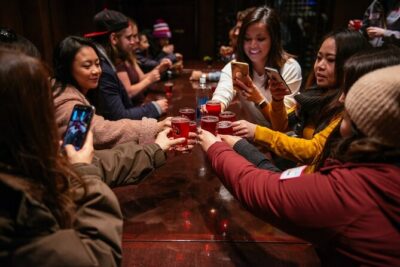 ★ 5.0Gastown Historic Walking Food TourFrom $1161,863 reviews
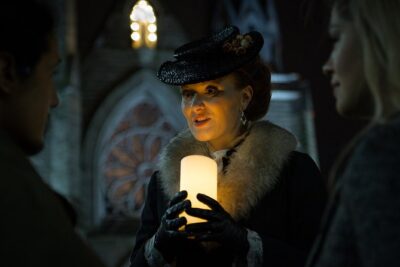 ★ 5.0Vancouver Lost Souls of Gastown Walking TourFrom $291,273 reviews
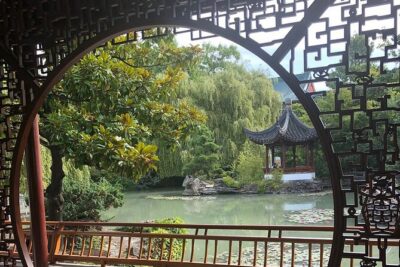 ★ 5.0A Wok Around Chinatown: Culinary and Cultural Walking Tour Led by a ChefFrom $122610 reviews
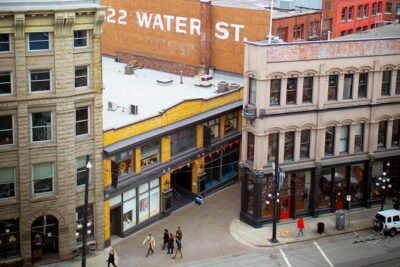 ★ 5.0The Forbidden Downtown and Gastown Walking TourFrom $29476 reviews
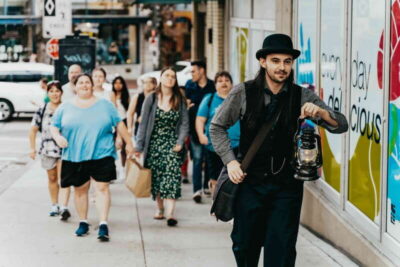 ★ 4.7Lost Souls of Gastown TourFrom $28279 reviews
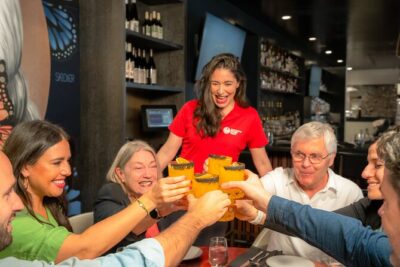 ★ 5.0Gastronomic Gastown Food Tour by Vancouver Foodie ToursFrom $231238 reviews
 ★ 5.0Experience Gastown Vancouver’s Elite Walking Food TourFrom $80134 reviews
 ★ 4.5Gastown Pub Crawl127 reviews
Browse the lists this tour appears in