
Reviewed · STANLEY PARK & SEAWALL TOURS
Vancouver: Stanley Park Talking Trees Tour
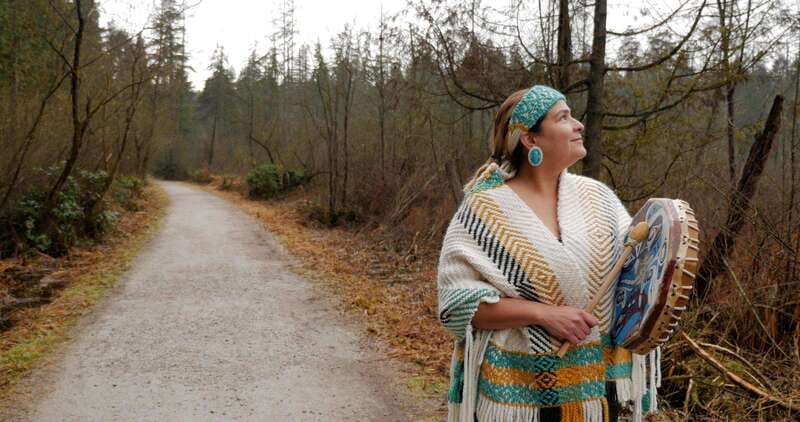
Trees talk here, if you listen. This Stanley Park Talking Trees tour turns Vancouver’s famous park into a living classroom, with a local Indigenous cultural ambassador explaining how Pacific Northwest plants were used for food, medicine, and everyday tools. I love the way the stories are tied to place and family, so it feels personal instead of like a lecture. I also love the Beaver Lake pause for an Indigenous herbal tea and the small ritual of it. One watch-out: it’s a walking tour, with no hotel pickup, so you’ll want comfortable shoes and you’ll need to get to the meeting gazebo on your own.
You’re looking at about 90 minutes and roughly 2.2 kilometers at a leisurely pace, with frequent stops to look, ask, and learn. The park can change fast with the weather, so layers help, and luggage or large bags are a no-go. It’s recommended for kids 12 and older, which usually makes the discussions easier to follow.
In This Review
- Key highlights at a glance
- Talking Trees: what you actually learn on this walk
- Starting point at Stanley Park: finding the Gazebo bus loop fast
- 1.5 hours on the Stanley Park path: trees with jobs and seasons
- Beaver Lake tea ceremony: warm pause, Indigenous herbal tea
- Seasonally tasting berries: why timing can change the tour
- Price and value: what $58 buys you in real time
- Who should book this Stanley Park tour (and who might not)
- Practical stuff you’ll want to know before you go
- The real takeaway: seeing the park as a living knowledge system
- Should you book the Stanley Park Talking Trees tour?
- FAQ
- FAQ
- How long is the Stanley Park Talking Trees tour?
- How far will I walk?
- What does the tour cost?
- Where do I meet my guide?
- Is hotel pickup included?
- What’s included during the tour?
- Is the tour in English?
- What should I bring?
- Are there limits on luggage?
- Can I cancel?
Key highlights at a glance
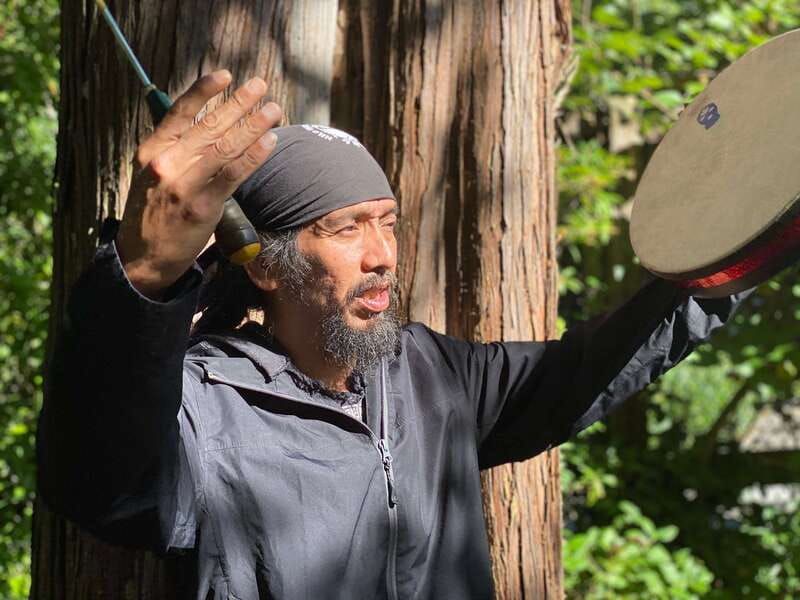
- Indigenous guide-led stories that connect trees and plants to Coast Salish ways of living
- Food and medicine focused learning, right where the plants are growing
- Beaver Lake tea ceremony with complementary Indigenous herbal tea
- A short walk with frequent stops so you’re not rushing past the good parts
- Seasonal berry tastings may happen, depending on timing
- Simple logistics once you find the Gazebo at the Stanley Park Bus Loop
Talking Trees: what you actually learn on this walk
Stanley Park is one of those places everyone thinks they already know. Big trees, classic views, plenty of photo spots. This tour keeps you close to all that, but shifts the focus from scenery to stories—specifically how local Coast Salish peoples used the land for daily life.
What makes it different is the framing. Instead of treating nature as background, the guide treats each plant like a relative with a job, a season, and a reason people paid attention. You’ll learn how plants could support food gathering, traditional medicine, and even practical uses in technology and everyday tools. In other words, you start seeing the park as a map of knowledge.
I also like the tone. The best moment isn’t one dramatic reveal. It’s the steady way the guide connects ecological details to cultural traditions, then ties those ideas back to the modern world. It’s not just history recited; it’s knowledge with continuity.
And yes, there’s a relaxing payoff: the herbal tea at Beaver Lake. After an hour of listening and walking, it’s a nice reset—hands warm, mind calmer, and your focus shifts from looking upward at trees to noticing the small, lived-in details of the area.
Starting point at Stanley Park: finding the Gazebo bus loop fast
Your tour begins at Stanley Park Loop, meeting directly under the Gazebo at the Stanley Park Bus Loop. It’s near the Miniature Railway and the Pavilion. The key detail: it is not the Historic Loop at the entrance.
This matters more than it sounds. Stanley Park has multiple loops and landmarks that look similar from the outside, especially when you’re trying to arrive on time with bags, kids, and a climate that can shift from sunny to drizzly without much warning.
Practical tip: when you’re walking in, keep your eyes on the bus loop area cues (the Miniature Railway and the Pavilion) rather than using the park main entrance as your anchor. If you tend to be late (I do), give yourself extra minutes so you can settle your camera gear, adjust your layers, and meet the guide without stress.
No hotel pickup is included, so plan to reach the park on your own. That can be a plus: it keeps the tour rhythm simple and doesn’t force you into someone else’s schedule.
The park rewards repeat laps. More Stanley Park picks
1.5 hours on the Stanley Park path: trees with jobs and seasons
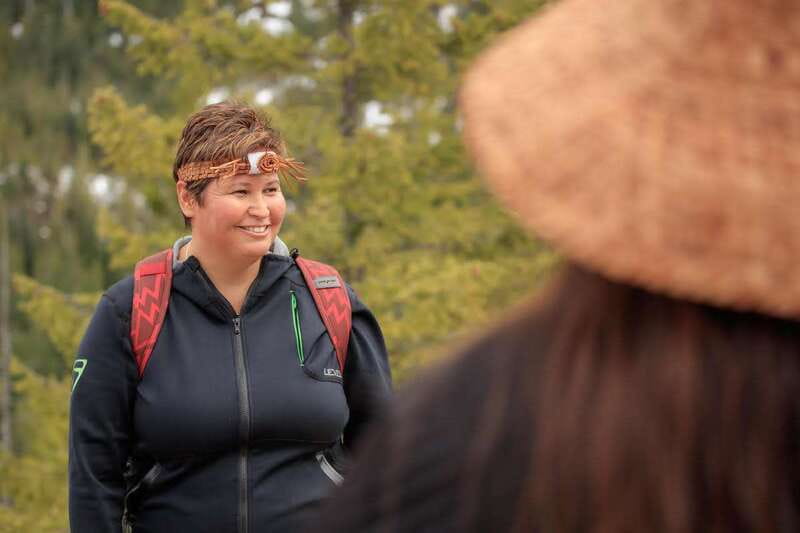
The bulk of the experience happens on foot around Stanley Park, walking for about 1.5 hours with frequent stops. The distance is short—around 2.2 kilometers at a leisurely pace—but you’ll feel like you’re going farther than that because you’re not just passing through. You’re pausing to look closely and to talk.
Here’s what you can expect from those stops:
- The guide points out specific trees and plants and shares how local people harvested or used them.
- You’ll hear stories and explanations tied to ecological practices—ancient and contemporary ways of living with the land.
- The talk stays anchored to what you can actually see. When the guide mentions usefulness, you can often spot the plant right there.
This is also where the Coast Salish cultural context comes in. The tour aims to help you understand the region’s Indigenous traditions as living knowledge, not as something frozen in the past. That means the guide’s stories aren’t only about what happened long ago. They’re also about values—attention, respect, and understanding seasons and growth cycles.
One small consideration: because the tour includes stops and discussion, it’s not the best fit if you want a pure power-walk or if you’re trying to squeeze in the fastest route to famous viewpoints. Plan for a slower pace and a listening mindset.
Beaver Lake tea ceremony: warm pause, Indigenous herbal tea
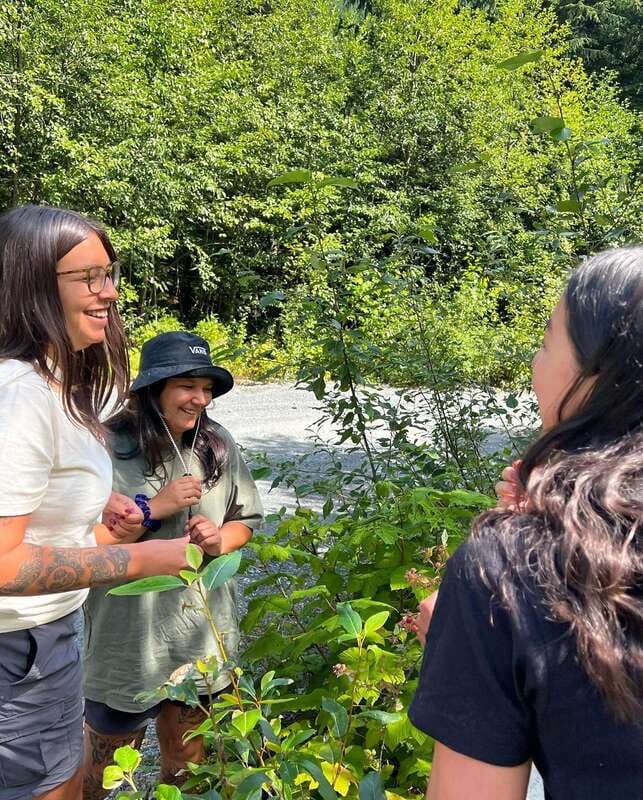
Midway through, you’ll reach Beaver Lake, where the tour includes a tea moment and a tea ceremony. This isn’t just a snack break. It’s part of the cultural flow of the tour—an intentional pause in a place that feels calmer than the main park paths.
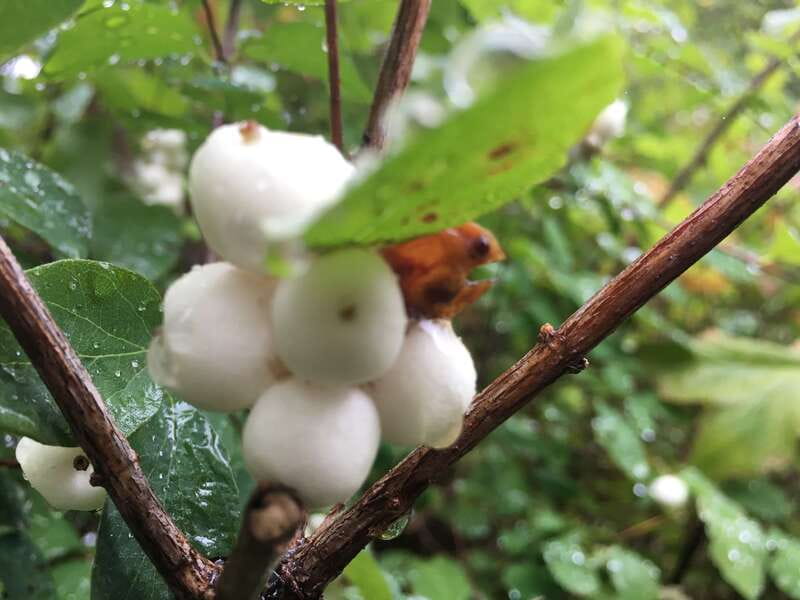
You’ll receive complementary Indigenous herbal tea. Depending on the time of year, you may also get the chance to taste diverse Indigenous berries that grow throughout the park.
This stop does two useful things for you:
- It gives your body a break after steady walking and standing still for plant discussions.
- It helps you connect the stories you heard to something you can actually taste and experience.
If you’re the kind of person who remembers events through small sensory details (smell, warmth, taste), this is one of those parts that tends to stick. Even if you’ve visited Stanley Park before, the tea break adds a different layer that standard sightseeing doesn’t touch.
Seasonally tasting berries: why timing can change the tour
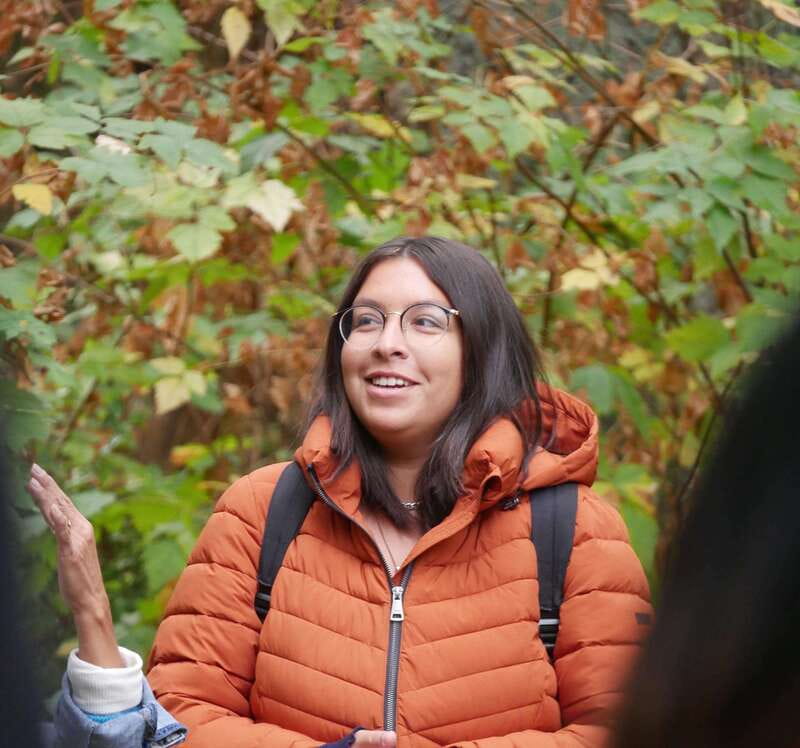
The tour notes that berry tasting depends on the season. That’s a detail worth paying attention to, especially if you’re booking in a timeframe where you know berries are more likely.
If berries are available, you’ll get a hands-on moment that supports the theme of the tour: plants as food and part of everyday knowledge. If berries aren’t available, the tour still centers on plant stories and the tea ceremony, so you’re not missing the entire point. But timing can affect how many food moments you get.
In practical terms: if you’re sensitive to weather, also remember tea and berry time is outdoors. Bring layers so you can stay comfortable even if the air is cool.



Price and value: what $58 buys you in real time
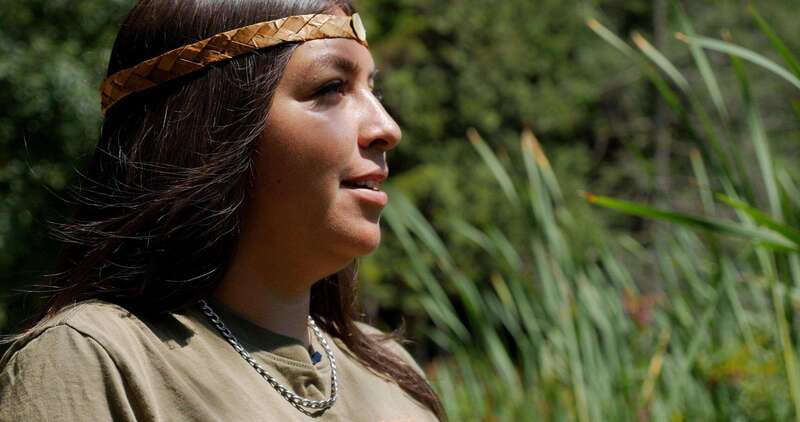
At $58 per person for a 90-minute guided walk, this isn’t the cheapest way to spend time in Stanley Park. But the value comes from what you’re buying: interpretation with an Indigenous cultural ambassador, plus a complementary tea ceremony at Beaver Lake.
For me, the price makes sense because:
- You get concentrated time with a guide who can answer questions while you’re actually looking at the plants.
- The walk is structured around learning, not around bouncing from one attraction to another.
- You’re included in a tea experience, not just given a route map and told to explore on your own.
Also, the tour is relatively short, which is important when you’re traveling. It’s easier to fit into a day without sacrificing a whole afternoon, and you won’t end the experience exhausted like you might after a long day tour.
The one trade-off is that there’s no hotel pickup and you can’t bring luggage or large bags. If you’re the type who wants a door-to-door service, you may find those limits annoying. If you’re comfortable getting yourself to a meeting point with light baggage, the price-to-time ratio feels more fair.
Who should book this Stanley Park tour (and who might not)
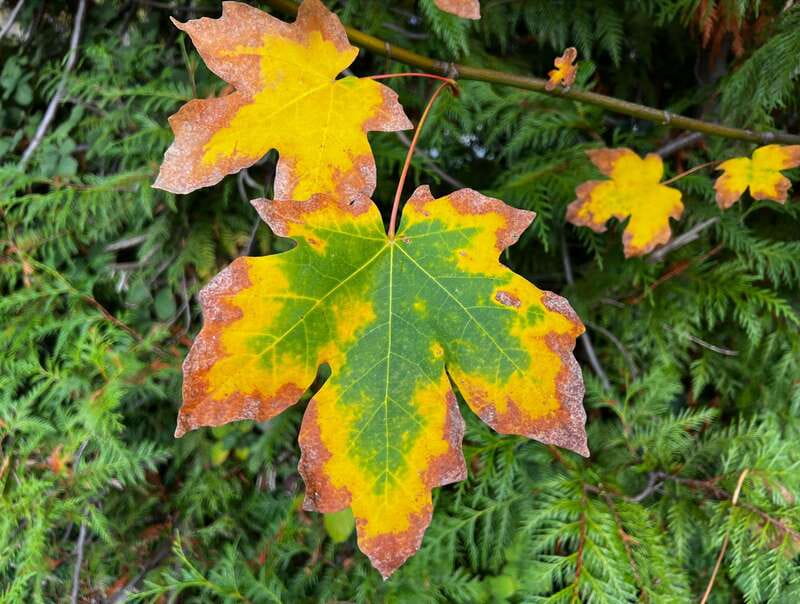
I’d book this if you:
- Want to see Stanley Park through an Indigenous cultural lens, not just as a landmark.
- Like nature walks where the focus is plants, seasons, and practical uses rather than only wildlife spotting.
- Enjoy guided storytelling you can ask questions about while you’re on the path.
- Think a tea ceremony sounds like a nice break, not a gimmick.
I’d hesitate if you:
- Prefer long uninterrupted walks without stops. This tour is designed around frequent discussions.
- Need an activity with zero outdoor time standing around. You’ll be outdoors and listening at multiple moments.
- Plan to bring larger bags or luggage. Those aren’t allowed.
For families: it’s recommended for kids 12 and older. If you’re traveling with younger children and your group feels comfortable with a discussion-heavy nature walk, the guide may be open to including them, but the recommendation is age-12-plus for a reason: the stories and learning are likely to land better at that age.
Practical stuff you’ll want to know before you go
This is where you make the tour feel easy instead of fussy.
Wear and pack
- Bring comfortable shoes. This is a walking tour with frequent stops, so support matters.
- Dress in layers. Weather changes happen quickly in coastal Canada.
- In warmer weather, sunglasses, sunscreen, and a hat are recommended.
- Avoid luggage or large bags. You won’t want to lug extra weight anyway if you’re pausing often and listening.
What to expect from the pacing
The tour moves at a leisurely pace, but you still need to be comfortable walking and stopping. The discussion moments mean the time feels full, not rushed.
Language
The tour is in English, so you’ll get all the context and Q&A in that language.
When you’re deciding your day
If you’re trying to pack your schedule tight, give yourself buffer time for finding the right meeting spot under the Gazebo. Stanley Park is easy to overestimate. Parking and footpaths can slow you down more than you expect.
Cancellation
Free cancellation is available up to 24 hours in advance for a full refund, which is helpful if the weather looks questionable.
The real takeaway: seeing the park as a living knowledge system

By the end, you should feel like Stanley Park is more than a pretty place you passed through on the way to something else. You’ll have a new mental habit: noticing what you’re looking at and asking why it matters.
The Talking Trees concept works because it doesn’t treat nature as silent scenery. It treats it as a system people understood through observation and careful use—food gathering, medicine, and technology—carried forward through Indigenous traditions.
That’s why the guide’s stories matter. When you hear how knowledge was passed down and how it can still shape respectful behavior today, the trees stop being just trees. You start thinking about seasons, sustainable harvesting, and the responsibility that comes with using the land.
If you’re the type who loves travel that changes your perspective more than it changes your itinerary, this tour is a strong match.
Should you book the Stanley Park Talking Trees tour?
Book it if you want a short, high-impact experience in one of Vancouver’s most famous parks, and you’d enjoy learning how local Coast Salish traditions connect to specific trees, plants, and seasonal uses. The combination of a guided walking program, a Beaver Lake tea ceremony, and included Indigenous herbal tea makes it feel like more than a typical park stroll.
Skip it or reconsider if you dislike guided discussion, need a no-wait door-to-door service, or you’re carrying large bags.
My rule of thumb: if you’re curious about how people live with the natural world—practically and respectfully—this is one of the best ways to spend 90 minutes in Stanley Park that actually changes how you see what’s around you.
FAQ
FAQ
How long is the Stanley Park Talking Trees tour?
The tour lasts 90 minutes.
How far will I walk?
It’s about 2.2 kilometers at a leisurely pace, with frequent stops.
What does the tour cost?
The price is $58 per person.
Where do I meet my guide?
Meet directly under the Gazebo at the Stanley Park Bus Loop near the Miniature Railway and the Pavilion. The listing notes Google Maps location LOT-62F and says it is not the Historic Loop at the park entrance.
Is hotel pickup included?
No. Hotel pickup and drop off are not included.
What’s included during the tour?
You get complementary Indigenous herbal tea. Depending on the time of year, you may also get to taste Indigenous berries that grow throughout the park.
Is the tour in English?
Yes, it’s a live tour guide in English.
What should I bring?
Wear comfortable shoes and weather-appropriate clothing. In warmer weather, sunglasses, sunscreen, and a hat are recommended.
Are there limits on luggage?
Yes. Luggage or large bags are not allowed.
Can I cancel?
Yes. You can cancel up to 24 hours in advance for a full refund.
The Wider Vancouver Shelf
- Vancouver Half-Day Whale Watching Adventure with Free Photos★ 5.0 · 5,000 reviews
- Big Bus Vancouver Hop-On Hop-Off Sightseeing Tour★ 3.5 · 3,028 reviews
- Victoria & Butchart Gardens Tour with Ferry from Vancouver★ 4.5 · 2,703 reviews
- Vancouver: Covered Whale Watching Adventure with Free Photos★ 4.8 · 2,260 reviews
Another Lap of Stanley Park
- Vancouver City Sightseeing Tour: Granville Island & Stanley Park★ 4.5 · 1,782 reviews
- Vancouver Tour: Stanley Park, Granville Island & Capilano Bridge★ 4.5 · 1,778 reviews
- The Stanley Park Bicycle Tour by Cycle City Tours★ 5.0 · 785 reviews
- Stanley Park Horse Drawn Tour in Vancouver★ 4.5 · 550 reviews
Just Reviewed in Vancouver
- Private Transfer from Vancouver Airport to Cruise Terminal (Port)
★ 5.0 · 3 reviews - Private Chauffeured Airport to Whistler Transfer (YVR – Whistler)
★ 3.5 · 3 reviews - Experience the Beauty of Vancouver’s Forests by Bike/E-Bike
★ 5.0 · 3 reviews - Banff, Moraine Lake, Lake Louise and Columbia Icefield 4 Day Tour
★ 4.5 · 3 reviews - Arrival Transfer: Vancouver Airport YVR – Vancouver by Luxury SUV
★ 5.0 · 3 reviews - Vancouver Waterfront Guided Bike/E-Bike Tour
★ 5.0 · 3 reviews
Stanley Park & Seawall Tours, compared.
 ★ 4.5Vancouver City Sightseeing Tour: Granville Island & Stanley ParkFrom $681,782 reviews
 ★ 4.5Vancouver Tour: Stanley Park, Granville Island & Capilano BridgeFrom $1361,778 reviews
 ★ 5.0The Stanley Park Bicycle Tour by Cycle City ToursFrom $81785 reviews
 ★ 4.5Stanley Park Horse Drawn Tour in VancouverFrom $48550 reviews
 ★ 5.0Stanley Park & Downtown – Vancouver Bike ToursFrom $74243 reviews
 ★ 5.0Vancouver Secrets of Stanley Park Walking TourFrom $29208 reviews
 ★ 4.9Stanley Park Bicycle TourFrom $76194 reviews
 ★ 4.5Sunset Bus Tour: Stanley Park & English Bay PhotostopsFrom $31181 reviews
Browse the lists this tour appears in