Reviewed · HISTORICAL TOURS
The Really Gay History Tour in Vancouver, Canada
A good tour makes a city feel personal. This one does it with LGBTQ2+ history on the street, from Burrard to Davie Street. You’ll walk through changing neighborhoods while the guide connects names, places, and moments that shaped Vancouver.
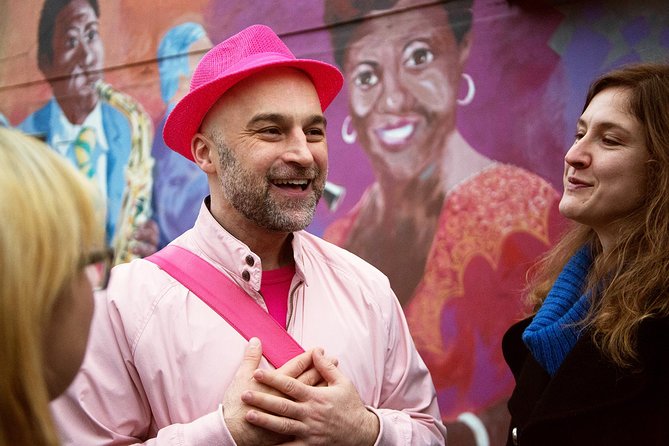
I really like the way Glenn tells stories. He keeps the pace moving with humor when it fits, and real emotion when it matters, so even as a local-free-spirited city, Vancouver’s queer past feels human instead of textbook. I also like the stop selection: Imperial Court pageantry, drag kings, gay ministers, Pride-era milestones, and the city’s response to HIV/AIDS history all show up in one compact route.
One thing to consider: this is a walking tour with explicit language, and it’s not recommended for kids under 14. You’ll also be on your feet for about two hours, rain or shine, so wear solid shoes and plan for the fact that it’s outdoors most of the time.
In This Review
- Key things to know before you go
- Meeting Glenn at Burrard: start simple, arrive on time
- Imperial Court, drag kings, and church steps on the West End
- Pride-era Vancouver: earliest parade details and Jim Deva Plaza
- The hard chapters: Patient Zero, the GRID crisis, and what people faced
- Urban oasis and the “secret gay village” feeling in the route
- From book pages to real names: trans activism and two-spirited warrior story
- Finishing at Jim Deva Plaza on Davie Street: turn history into dinner
- Price and logistics: why $29.29 feels fair for a 2-hour guided walk
- What to wear and how to plan: rain or shine, and a real outdoor walk
- Should you book the Really Gay History Tour with Glenn?
- FAQ
- How long is the Really Gay History Tour?
- How much does the tour cost?
- Where do I meet the guide?
- Where does the tour end?
- What should I wear or bring for the walk?
- Is the tour near public transportation, and are service animals allowed?
- Is this tour appropriate for kids?
- How big are the groups?
- Is there free cancellation?
Key things to know before you go
- Glenn’s storytelling style ties real people to real Vancouver corners, with laughter and gravity in the same walk.
- Small group size (maximum 20) helps you stay part of the conversation instead of watching history from a distance.
- You finish on Davie Street in the middle of the action, so the tour naturally turns into an easy food or bar plan.
- A wide time span is covered—from early Pride-era details to HIV/AIDS-era terms like Patient Zero and the GRID crisis.
- Rain or shine format with some stops under cover means you won’t lose the tour just because Vancouver weather misbehaves.
Meeting Glenn at Burrard: start simple, arrive on time
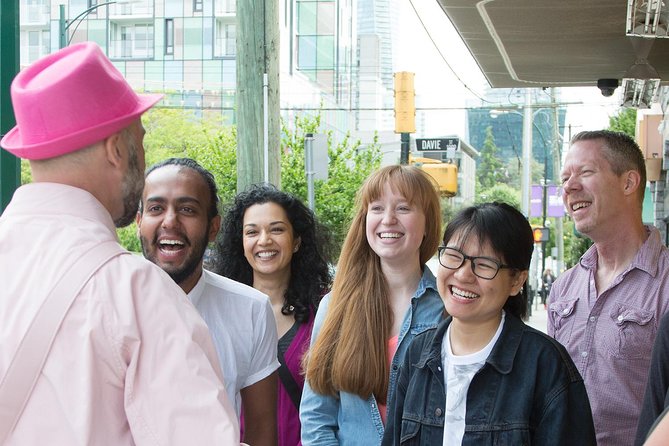
The tour starts outside Trees Organic Coffee Shop at 930 Burrard Street. You’re looking for the man in pink, which is a handy trick in a city where everyone is dressed for walking and coffee. The start time is 10:00 am, so I’d treat this like any good city day: arrive about 10 minutes early so you get checked in and don’t feel rushed.
The meeting spot also matters for your mindset. Burrard is central enough that you can reach it easily using public transit, and you’ll start with the Downtown energy before you move into the West End and beyond. That first stretch helps you get your bearings fast, so the rest of the walk feels like a guided “map you can feel,” not just a list of plaques.
Finally, I like that the tour is explicitly set up for a moderate walk. You do need sensible shoes, and the route is about being comfortable on sidewalks and stops that might involve some walking between points.
Imperial Court, drag kings, and church steps on the West End
Early in the walk, you’ll move through the West End in a way that’s more about culture than chronology. The guide points out places connected to Imperial Court coronations, drag kings at the Quadra, and gay ministers at the United Church. Even if you don’t know these references yet, the way the stories are told makes them click as community-building—celebration, performance, leadership, and faith all in public view at different times.
This part is valuable because it shows that LGBTQ2+ life in Vancouver wasn’t only activism in the abstract. It was also parties, ceremonies, artistic scenes, and spiritual spaces—things that affect how people survive and how communities stay visible. You’re not just learning dates; you’re learning what kinds of gathering existed and why they mattered.
You’ll also be walking a tree-lined corridor, which makes the pacing pleasant even when the content turns serious. The route’s built for foot travel, so you feel the shift from Downtown intensity into a more residential feel—useful when you’re trying to understand how queer community “grew in place.”
The short history, told on location
Pride-era Vancouver: earliest parade details and Jim Deva Plaza
As you continue, the tour brings in Vancouver’s early Pride parade details and ties them to landmarks you can actually stand near. One stop centers on Jim Deva Plaza, which is now a well-known part of Davie Street’s public life, but the tour frames it as something that sits on top of earlier organizing and activism.
This is where the tour starts to do more than add facts. It helps you connect today’s landmarks to older, sometimes risky community organizing. When you know what the place is sitting on, Davie Street later in the walk hits differently: it feels less like entertainment and more like a living result of struggle.
There’s also a darker thread in this section, including mentions like bookstore bombings. The guide doesn’t soften it into generic tragedy. The framing is about what the city’s LGBTQ2+ community endured and how people responded, using the urban layout to keep those stories grounded.
The hard chapters: Patient Zero, the GRID crisis, and what people faced
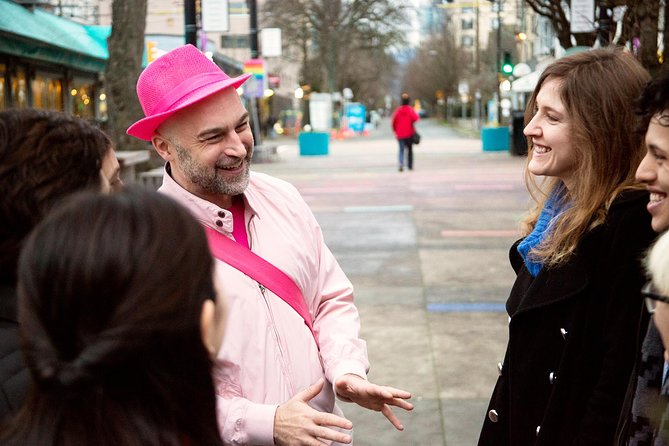
After you’ve taken in the celebratory and community-centered stops, the tour turns toward HIV/AIDS-era history. Terms like Patient Zero and the GRID crisis are part of what you’ll hear, and they’re treated as more than headlines. You’ll learn how Vancouver’s queer community was affected and how public health crises reshaped activism, visibility, and daily life.
I like that the guide sets this up after you’ve already gotten a sense of the community’s earlier energy. When the story shifts to survival, it doesn’t feel like a sudden mood change. It feels like the same community dealing with a new kind of emergency.
One careful note: this tour contains explicit language, and the subject matter can be emotionally intense. If you’re sensitive to heavy topics, go in with that awareness. The upside is that the guide pairs seriousness with human stories—so it doesn’t become one long downer.
Urban oasis and the “secret gay village” feeling in the route
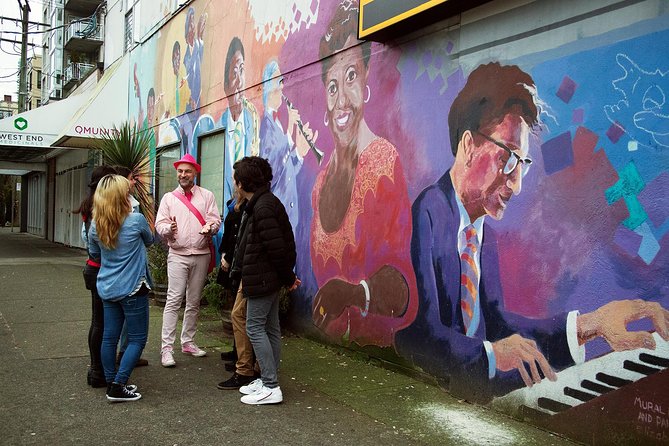
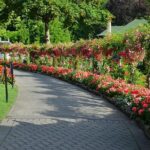
Not every stop is a monument. The tour also includes softer, greener, and more everyday parts of Vancouver life, like Nelson Park, described as an urban oasis. Parks can sound like a break in a walking tour, but here the point is different: it shows how community life wasn’t only in bars and headlines. It lived in public spaces too.
You’ll also hear about a secret gay village—a phrase that helps explain how community geography can shift under pressure. That kind of context matters because Vancouver’s neighborhoods can look calm and modern now, but the tour asks you to see the past layer under the sidewalks.
This part of the walk is especially good if you like learning by doing. You’ll be moving, looking, and listening at the same time, so you’re more likely to remember specific locations like Nelson Park rather than just having a general understanding.

From book pages to real names: trans activism and two-spirited warrior story
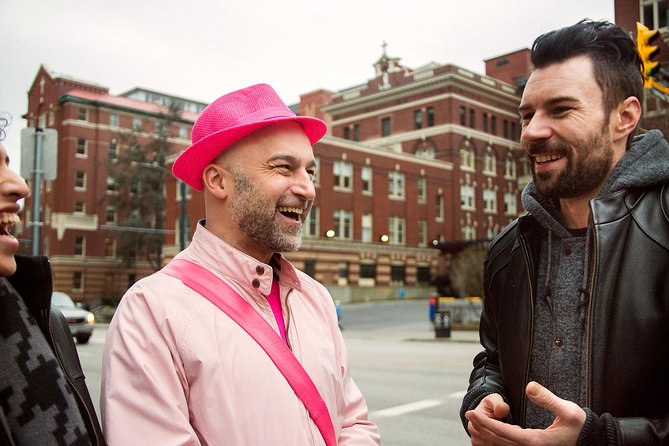
The route includes several mentions that focus on individuals, not just organizations. You’ll hear about a transgender campaigner who blew the whistle on the biggest crime in Vancouver history, plus other accounts tied to people who pushed boundaries when it wasn’t safe to do so. That human focus is part of why the tour tends to stick with people: you walk away with names and reasons, not only “events happened.”
You’ll also hear about two-spirited warrior Gone to the Spirits. This matters because it broadens the story beyond one identity lane. It connects present-day LGBTQ2+ history to older Indigenous concepts of gender and spirit, presented as part of Vancouver’s larger story.
And yes, there’s plenty of place-based storytelling too—things like Vancouver’s bookstore bombings show how violence and censorship tried to silence queer life. The tour doesn’t treat those moments like distant history. It treats them like lessons about visibility, community resilience, and the cost of repression.
Finishing at Jim Deva Plaza on Davie Street: turn history into dinner
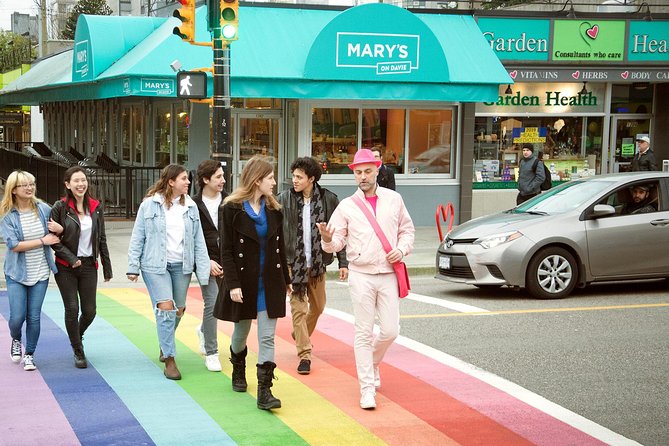
The tour ends right in the Davie Street area, with Jim Deva Plaza as your final anchor. That’s a smart design for your day. You get transported through the city’s queer past, and then you land in the living, current neighborhood where you can grab a bite, compare notes, or just watch the street for the kind of community energy the tour talked about.
Davie Street itself is portrayed as a village with a fantastic variety of bars and restaurants, which makes it easy to turn the experience into a simple plan. If you’re wondering what to do after the tour, this ending solves that problem for you.
This is also where the walking part pays off. When you finish near where the story culminates, you’re more likely to notice details on your own—signs, storefronts, and the way people gather in public. It’s a practical way to turn information into your own understanding.
Price and logistics: why $29.29 feels fair for a 2-hour guided walk
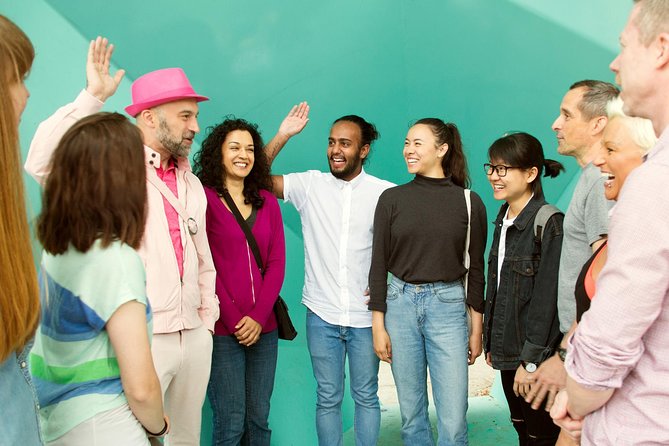
At $29.29 per person for about two hours, the value depends on what you want from a city tour. If you want a fast, light overview, you could find cheaper options. But if you want a guide who is actively connecting stories to specific corners and neighborhood shifts, this price is reasonable—especially with a small maximum group size of 20.
You’re also getting a professional guide included, and the tour uses a walking format that lets you cover multiple meaningful stops without extra transportation costs. The tour also leaves the rest of your day open, so it’s a good way to add depth to a Vancouver itinerary without stealing your whole afternoon.
The other value is emotional and interpretive. A lot of tours give you facts. This one aims to give you context: how community formed, how it was celebrated, how it was threatened, and how it kept going. That’s exactly the kind of payoff you remember later.
What to wear and how to plan: rain or shine, and a real outdoor walk
This is a walking tour that happens rain or shine. Many stops are under cover, but not all of the experience is inside. That means you should treat this like Vancouver weather: bring layers, wear shoes that can handle wet sidewalks, and check the sky before you leave.
Sunscreen is specifically suggested if it’s warm out, which is a nice reminder that “rainy city” doesn’t always mean low sun. For comfort, I’d plan to stay mobile and avoid anything that slows you down, because the tour expects you to keep pace through the walk.
One more planning point: explicit language is part of the content. If you’re traveling with someone who prefers gentler language, tell them ahead of time so it doesn’t feel surprising.
And if you’re coming from out of town, you’ll be glad it’s near public transportation. You don’t need a car to get to the start, and that makes this easier to fit into almost any day.
Should you book the Really Gay History Tour with Glenn?
If you want more than a quick Pride postcard version of Vancouver, book this tour. I’d especially recommend it if you like walking routes, place-based storytelling, and a guide who can make different chapters of LGBTQ2+ history feel connected. Glenn’s storytelling style is a major reason this experience earns strong ratings, and the route covers enough ground to make the two hours feel purposeful.
Skip it only if you’re not comfortable with explicit language or you don’t want emotionally heavy topics. Also, if you know you struggle with moderate walking for about two hours, you’ll likely feel the strain rather than the benefit.
If you’re pairing this with other Vancouver plans, start early (it begins at 10:00 am), then let the rest of your day belong to you. Ending on Davie Street gives you an easy on-ramp to food and fun, so the tour doesn’t just end—it hands you a neighborhood to explore with better eyes.
FAQ
How long is the Really Gay History Tour?
The tour lasts about 2 hours.
How much does the tour cost?
It costs $29.29 per person.
Where do I meet the guide?
Meet at 930 Burrard Street, outside Trees Organic Coffee Shop.
Where does the tour end?
The tour ends at Jim Deva Plaza, 1200 Bute St, Vancouver.
What should I wear or bring for the walk?
Wear sensible shoes. It happens rain or shine, and many stops are under cover, so layers help. Bring sunscreen if it’s warm out.
Is the tour near public transportation, and are service animals allowed?
Yes, it’s near public transportation. Service animals are allowed.
Is this tour appropriate for kids?
It is not recommended for guests under age 14.
How big are the groups?
The tour has a maximum of 20 people.
Is there free cancellation?
Yes. You can cancel up to 24 hours in advance for a full refund.
Vancouver Before the Glass Towers
- Gastown Historic Walking Food Tour★ 5.0 · 1,863 reviews
- Vancouver: Guided Food and City History Tour★ 4.5 · 53 reviews
- Vancouver: LGBTQ2+ History Tour in the West End★ 4.9 · 20 reviews
- Vancouver Holiday History and Hot Chocolate Tour★ 5.0 · 15 reviews
The Wider Vancouver Shelf
- Vancouver Half-Day Whale Watching Adventure with Free Photos★ 5.0 · 5,000 reviews
- Big Bus Vancouver Hop-On Hop-Off Sightseeing Tour★ 3.5 · 3,028 reviews
- Victoria & Butchart Gardens Tour with Ferry from Vancouver★ 4.5 · 2,703 reviews
- Vancouver: Covered Whale Watching Adventure with Free Photos★ 4.8 · 2,260 reviews
Just Reviewed in Vancouver
- Private Transfer from Vancouver Airport to Cruise Terminal (Port)
★ 5.0 · 3 reviews - Private Chauffeured Airport to Whistler Transfer (YVR – Whistler)
★ 3.5 · 3 reviews - Experience the Beauty of Vancouver’s Forests by Bike/E-Bike
★ 5.0 · 3 reviews - Banff, Moraine Lake, Lake Louise and Columbia Icefield 4 Day Tour
★ 4.5 · 3 reviews - Arrival Transfer: Vancouver Airport YVR – Vancouver by Luxury SUV
★ 5.0 · 3 reviews - Vancouver Waterfront Guided Bike/E-Bike Tour
★ 5.0 · 3 reviews
Historical Tours, compared.
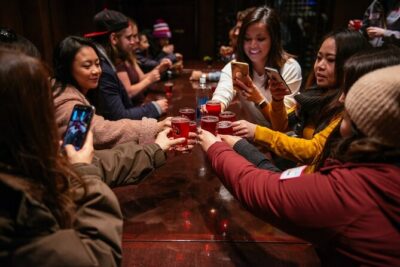 ★ 5.0Gastown Historic Walking Food TourFrom $1161,863 reviews
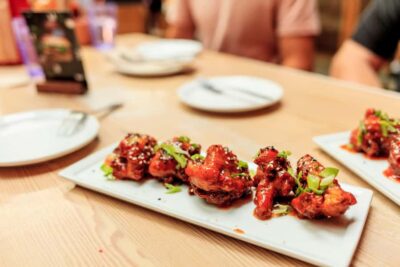 ★ 4.5Guided Food and City History TourFrom $9853 reviews
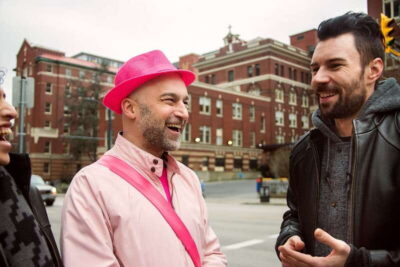 ★ 4.9LGBTQ2+ History Tour in the West EndFrom $2820 reviews
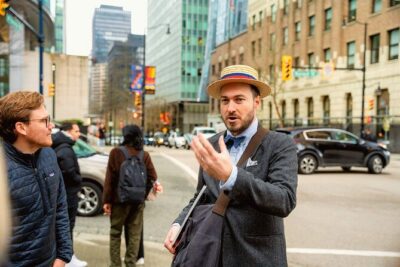 ★ 5.0Vancouver Holiday History and Hot Chocolate TourFrom $4415 reviews
Browse the lists this tour appears in